Buy 1 oz Gold Coin in Uganda – Complete Investor Guide

Premium 1 oz Gold Coins
Secure your wealth with globally recognized bullion coins available in Uganda.

Verify Authenticity
Learn professional methods to ensure your gold coins are genuine.
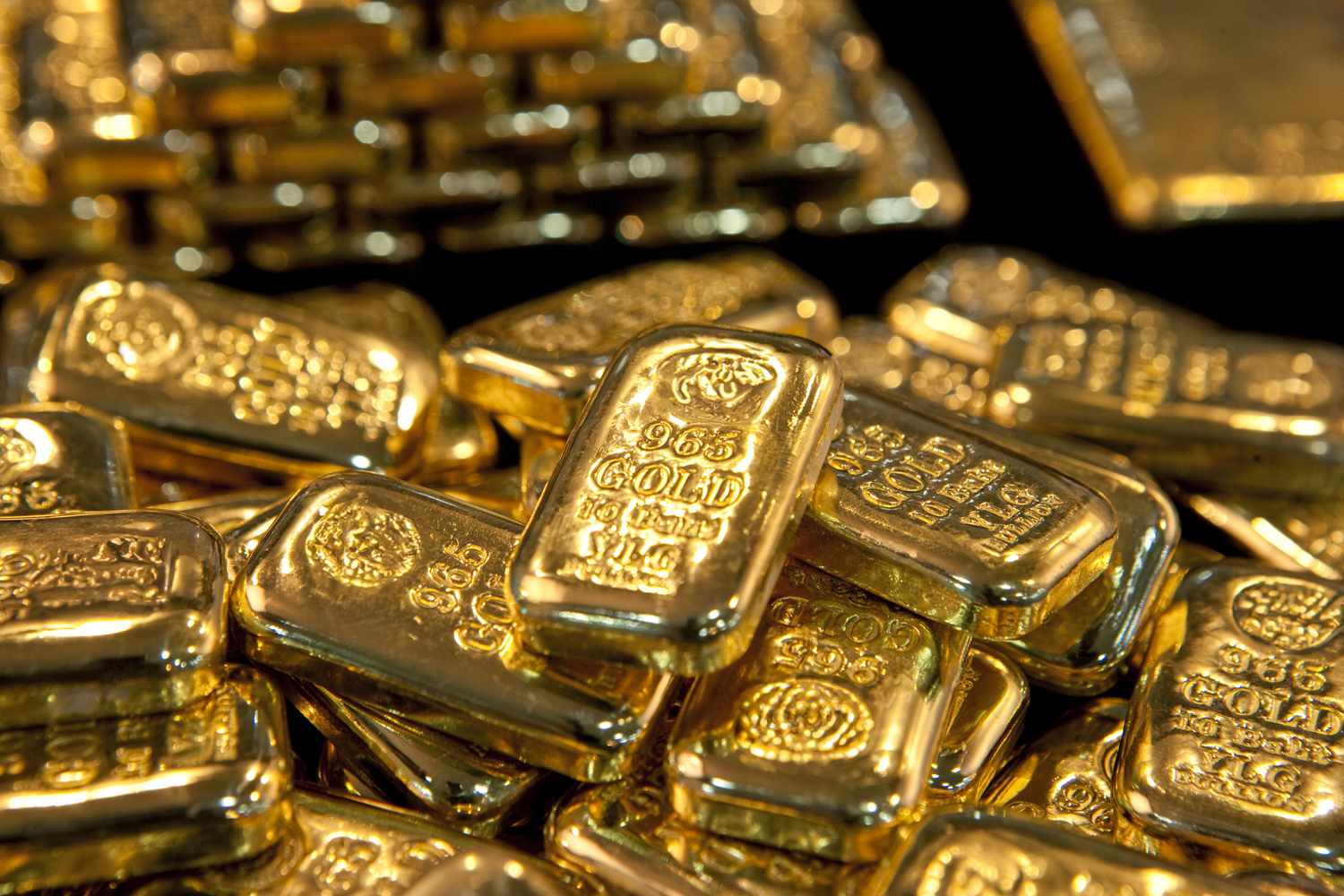
Safe Storage Solutions
Protect your investment with professional vaulting or secure home safes.
Gold coins represent one of the most stable investment vehicles available to Ugandan investors seeking portfolio diversification beyond traditional assets. With Uganda's central bank launching its gold buying programme to boost reserves, the timing has never been more strategic for private investors to enter the gold market. Unlike volatile local currency holdings, premium one-ounce gold coins offer universal liquidity, intrinsic value recognition, and protection against economic uncertainty.
This comprehensive guide navigates Uganda's emerging gold investment landscape, from understanding international gold investment standards to practical acquisition strategies for African investors. Whether you're purchasing your first coin or building a substantial precious metals portfolio, you'll discover verified dealers, pricing benchmarks, and essential security protocols tailored to Uganda's unique market conditions.
Premium 1 oz Gold Coins
The global gold market offers several government-minted one-ounce coins that serve as benchmarks for Ugandan gold investors seeking internationally recognized options. The American Gold Eagle, Canadian Gold Maple Leaf, and South African Krugerrand represent the most liquid choices, each backed by sovereign guarantees and trading at premiums between $50-$100 above spot gold prices.
According to Uganda's Central Bank gold buying programme, domestic gold reserves are expanding, reflecting broader institutional confidence in precious metals. However, international coins offer immediate liquidity advantages for private investors. The Austrian Philharmonic maintains 99.99% purity—higher than the American Eagle's 22-karat composition—while the British Britannia provides VAT-exempt status in some jurisdictions.
Price considerations matter significantly. One-ounce coins typically command 3-5% premiums over larger bars, but their divisibility enables flexible portfolio rebalancing. Coins purchased through established international dealers often include authentication certificates and sealed packaging that preserve resale value—critical factors in Uganda's developing precious metals market where verification infrastructure remains limited.
Verify Authenticity
Authentication marks distinguish genuine government-minted coins from counterfeits and artisanal products. Every legitimate one-ounce gold coin features specific anti-counterfeiting elements: precise weight tolerances (typically ±0.1 grams), defined edge patterns, and official mint marks stamped during production. For investors evaluating coins from Uganda's emerging market, understanding these verification methods becomes essential—particularly as Uganda's Central Bank launches gold buying programmes that could increase local circulation.
A reliable verification approach combines three methods: visual inspection under magnification, electronic testing with XRF analyzers, and professional certification services. While a Ugandan gold coin should display government hallmarks and purity stamps, counterfeit detection requires specialized equipment that measures density and conductivity. Dealers offering certified authentication services typically charge 2-5% of the coin's value, but this investment protects against sophisticated fakes that bypass basic tests. In practice, coins purchased directly from central banks or authorized dealers carry lower authentication risks than secondary market acquisitions.
Safe Storage Solutions
Physical storage options remain critical for protecting one-ounce gold coin investments in Uganda's current market environment. Bank safety deposit boxes offer the most secure solution in major cities like Kampala and Entebbe, with annual rental fees ranging $150-$400 depending on box size and location. However, according to Uganda's Central Bank, only 22% of Ugandans maintain formal banking relationships, limiting widespread access to these facilities.
Home storage requires careful planning—bolted floor safes rated TL-15 or higher provide adequate protection for collections under $50,000 value. Position safes in concealed locations away from exterior walls, ideally in climate-controlled environments maintaining 40-50% humidity to prevent tarnishing. For investors purchasing Uganda online, consider insured vault storage through international dealers who offer allocated storage programs with monthly fees starting at 0.5% of holdings value, providing both security and liquidity without the risk of storing physical gold domestically.
Comprehensive insurance coverage should protect against theft, natural disasters, and political instability—standard homeowner policies typically cap precious metals coverage at $1,000-$2,500, necessitating separate riders for substantial holdings.
What Is a 1 oz Gold Coin?
A one-ounce gold coin contains 31.1035 grams of pure gold, corresponding to one troy ounce—the standard measurement for precious metals. These government-minted coins typically feature 99.9% gold purity (24 karat) or 91.67% purity (22 karat) for coins like the Krugerrand that include copper for durability.
The value proposition centers on how much gold content each coin guarantees. Unlike jewelry or decorative items where craftsmanship affects pricing, bullion coins trade primarily on their gold weight. A 1 oz coin purchased in Kampala today contains the same quantity of gold as one bought in London or New York, making them universally recognized and easily liquidated.
Common dimensions measure approximately 32-37mm in diameter and 2-3mm thick, though specifications vary by mint. The standardized weight format allows investors to calculate precise holdings—ten coins equal 10 troy ounces regardless of design differences. This uniformity explains why one-ounce denominations dominate the investment market over fractional sizes like 1/10 oz or multi-ounce pieces.
Most coins feature legal tender status with nominal face values far below gold content worth. A Canadian Maple Leaf carries a $50 CAD denomination, while its gold value exceeds $2,500 USD—the metal content determines actual trading prices, not the stamped currency amount.
Popular 1 oz Gold Coins Worldwide
Global gold coins dominate the one-ounce investment market, with government-backed options offering standardized purity and reliable liquidity. The American Gold Eagle, Canadian Gold Maple Leaf, South African Krugerrand, and Austrian Gold Philharmonic represent the most widely traded coins globally—each carrying 99.9% to 99.99% pure gold content and legal tender status in their issuing countries.
For Ugandan investors looking to research coin Uganda online, understanding these international standards becomes essential. The South African Krugerrand maintains particular relevance given regional trading patterns, while the Canadian Maple Leaf's 99.99% purity appeals to investors prioritizing gold content. However, gold products purchased through international dealers require verification of authenticity and consideration of import regulations that may affect acquisition costs and timeline.
Availability varies significantly between Kampala-based dealers and online marketplaces. Most reputable coin options available in Uganda arrive through established bullion importers who maintain relationships with international mints, though delivery timelines extend beyond immediate purchase needs compared to developed markets.
American Gold Eagle
The American Gold Eagle stands as the United States' official gold bullion coin, first minted in 1986 and backed by the U.S. government for weight, content, and purity. Each one-ounce coin contains 91.67% pure gold (22 karats), with the remaining alloy of copper and silver added for durability—making it more resistant to scratches and dents than softer 24-karat alternatives. The coin's distinctive design features Lady Liberty on the obverse and a family of eagles on the reverse, creating instant recognition in global markets. For Ugandan investors exploring options to buy gold coin Uganda online, the American Eagle offers exceptional liquidity due to its widespread acceptance among dealers worldwide. The coin's legal tender status of $50 provides additional legitimacy, though its intrinsic gold value far exceeds this face value. Investors typically store these coins using professional vault services or secure personal storage solutions to maintain their pristine condition and resale potential.
Canadian Gold Maple Leaf
The Canadian Gold Maple Leaf represents one of the world's purest investment coins, minted by the Royal Canadian Mint since 1979 with an exceptional .9999 fineness (24 karat). This purity standard exceeds most competitors, including the Krugerrand's 22-karat composition, which directly impacts the krugerrand 1 oz value when comparing investment options. The Maple Leaf's distinctive design features Queen Elizabeth II on the obverse and Canada's iconic maple leaf on the reverse, with advanced security features like radial lines and micro-engraved laser marks to prevent counterfeiting. For Ugandan investors, secure storage solutions become essential when holding these premium coins, as their higher purity makes them slightly softer than lower-karat alternatives. The coin's global recognition ensures excellent liquidity across international markets.
South African Krugerrand
The South African Krugerrand holds the distinction of being the world's first modern bullion coin, introduced in 1967 to help market South African gold. Each Krugerrand oz contains exactly one troy ounce of pure gold, though the coin itself weighs slightly more due to its copper alloy composition (91.67% gold, 8.33% copper), which enhances durability for regular handling and storage. The Krugerrand's distinctive reddish hue comes from this copper content, making it instantly recognizable among gold coins. While the coin contains maximum value per gram equivalent to one troy ounce of 22-karat gold, its resilience against scratches and denting makes it particularly practical for investors who prioritize long-term physical storage. The design features Paul Kruger, South Africa's former president, on the obverse and the national animal, the springbok antelope, on the reverse—imagery that has remained unchanged for over five decades, contributing to its global recognition and liquidity in secondary markets.
Austrian Philharmonic
The Austrian Philharmonic stands as Europe's premier gold bullion coin, minted by the Austrian Mint since 1989. Each coin contains precisely one troy ounce of .9999 fine gold, with its oz value tracking real-time global gold prices while maintaining minimal premiums over spot rates. The coin's design celebrates Vienna's rich musical heritage, featuring orchestral instruments including the Vienna horn, bassoon, and harp on the reverse, with the Great Organ from Vienna's Musikverein concert hall on the obverse. The Philharmonic's legal tender status in the Eurozone provides additional investor confidence, though its primary appeal remains its pure gold content and recognition across European markets. For Ugandan investors, this coin offers an alternative to Commonwealth-issued pieces, particularly appealing to those with European business connections or travel plans. The coin's consistent minting standards and competitive pricing make it a practical choice alongside more established options like the Krugerrand or Maple Leaf.
Why Investors Buy Gold Coins Instead of Gold Bars
Gold coins offer distinct advantages that make them the preferred choice for many investors, particularly those building wealth in Uganda's evolving precious metals market. While bars provide straightforward bullion ownership, coins deliver enhanced flexibility through smaller denominations and universal recognition.
The primary appeal centers on divisibility and transaction convenience. A single 1 oz gold coin like the Krugerrand, whose oz value remains consistent with spot prices plus modest premiums, allows investors to liquidate precisely what they need without selling larger positions. This matters significantly during economic uncertainty when partial liquidation preserves remaining holdings.
Recognition and authenticity verification represent another compelling factor. Established coins from government mints carry anti-counterfeiting features and instant market recognition that reduce transaction friction. Dealers worldwide immediately identify genuine Krugerrands, Maple Leafs, and Philharmonics, streamlining verification processes that might delay bar transactions.
For Ugandan investors specifically, coins provide practical storage advantages. Their standardized dimensions fit conventional safe deposit arrangements more efficiently than varied bar sizes, while their legal tender status in issuing countries adds an extra layer of government backing beyond pure metal content.
However, coins typically carry higher premiums over spot price compared to larger bars—a trade-off for their convenience features. Investors must balance these costs against the flexibility benefits when determining optimal portfolio composition.
Liquidity
Gold coins convert to cash faster than most investments in Uganda's evolving financial landscape. A standard 1 oz gold coin in grams—weighing exactly 31.1035 grams—commands immediate recognition from dealers, banks, and collectors worldwide. This universal standardization eliminates the authentication delays common with larger bars or irregular-weight pieces. Uganda's growing gold market enhances liquidity prospects. The Bank of Uganda's gold buying programme demonstrates increasing institutional acceptance, creating additional exit points beyond traditional dealers. However, rural investors may face limited access to reputable buyers compared to Kampala-based holders. One-ounce coins offer optimal divisibility advantages. Unlike a five-ounce bar requiring full liquidation, investors can sell coins individually to meet specific financial needs while preserving remaining holdings. This flexibility proves particularly valuable during economic uncertainty when partial asset conversion becomes necessary without sacrificing long-term portfolio positions.
Government Guarantee
Government-backed gold coins carry sovereign authentication that private gold bars cannot match. Mints like the Royal Canadian Mint, U.S. Mint, and South African Mint stamp each coin with legal tender status, guaranteeing the purity and weight in grams of every piece they produce. This official backing means a 1 oz American Gold Eagle certified at 22 karats carries the full faith of its issuing government—a level of assurance that transforms a simple precious metal purchase into a recognized financial instrument. Uganda's central bank recognizes this distinction in its recently launched gold buying programme, which prioritizes internationally recognized gold standards. When Uganda's Central Bank announced its gold buying initiative, the focus centered on standardized gold products meeting global specifications. Government-minted coins automatically qualify under these criteria, whereas privately cast bars require additional verification. This institutional preference underscores why government-guaranteed coins command premium resale values—they eliminate authentication uncertainty that complicates bar transactions.
Potential Collectability
Limited-edition gold coins appreciate beyond their melt value, creating dual investment streams unavailable in standard bullion bars. A standard coin in grams—typically 31.1035 grams for 1 oz pieces—may carry numismatic premiums when featuring special commemorative designs, low mintage numbers, or historical significance. Rare government coins from established mints command substantial collector premiums. Proof versions, anniversary editions, and coins with minting errors become increasingly scarce over time, while plain gold bars maintain only their intrinsic metal value. This collectability factor provides downside protection during market volatility—a coin's numismatic value often sustains its price even when spot gold temporarily declines. However, collectability introduces complexity. Not every gold coin appreciates beyond its gold content, and predicting which issues will gain collector interest requires market knowledge. The sweet spot combines recognized sovereign minting with reasonable initial premiums—coins that serve primarily as gold investments while offering potential upside from future scarcity.
Easier Verification
Standardized gold coins simplify authentication compared to generic bullion bars that require extensive testing. A gold coin in grams—whether 31.1g for a one-ounce piece or smaller denominations—features precise specifications documented by the issuing mint, making verification straightforward with basic equipment like calipers and scales. Authentication hinges on measurable characteristics: diameter, thickness, weight, and edge details. Counterfeiters struggle to replicate the exact density and dimensional tolerances of government-issued coins simultaneously. What typically happens is that fake coins fail on multiple verification points—they're either slightly overweight to match size, or undersize to match weight, because achieving gold's 19.3 g/cm³ density with base metals proves nearly impossible without detection. Quick verification methods include the ping test (genuine gold produces a distinct resonance), magnet testing (gold is non-magnetic), and visual inspection of edge reeding patterns. However, these basic checks work best on standardized coins where specifications are publicly known. The Bank of Uganda's planned gold buying program emphasizes authentication standards, recognizing that verifiable gold strengthens financial reserves more effectively than difficult-to-verify sources. This verification advantage becomes critical when liquidating investments or transferring assets across borders.
Gold Coin Investment Benefits
Gold coins offer portfolio protection during currency depreciation, a critical consideration as Uganda's shilling fluctuates against major currencies. One-ounce gold coins provide concentrated value storage that maintains purchasing power regardless of local monetary conditions. Unlike paper assets tied to financial institutions, physical gold eliminates counterparty risk—your investment doesn't depend on any third party's solvency. This independent value storage becomes particularly relevant as Uganda's central bank launches its gold buying programme to strengthen national reserves, signaling institutional recognition of gold's strategic importance. For Ugandan investors, standardized one-ounce coins deliver immediate liquidity advantages over jewelry or irregular gold forms, creating an accessible entry point into precious metals investment while maintaining global marketability across borders and decades.
How to Buy 1 oz Gold Coins in Uganda
Purchasing gold coins in Uganda requires verification of dealer legitimacy before any transaction occurs. Start by requesting certification documents, including import permits and tax compliance records, from potential sellers. Established bullion dealers maintain transparent pricing tied to international spot rates plus clearly stated premiums.
Physical verification remains essential in Uganda's developing precious metals market. Examine coins for weight consistency using calibrated scales—a genuine one-ounce gold coin should measure exactly 31.1 grams. Check edge details and surface quality against reference images from mints like the South African Krugerrand or Canadian Maple Leaf producers.
Payment methods vary significantly by dealer. Bank transfers provide transaction records that protect both parties, though some dealers accept cash for smaller purchases. Avoid deals requiring full payment before inspection or delivery. A common pattern is requesting a deposit with balance due upon verification and receipt.
Secure storage arrangements deserve immediate attention after purchase. Many Ugandan buyers initially store coins in bank safety deposit boxes until establishing relationships with specialized precious metals depositories. The decision to store at home versus institutional facilities depends on security capabilities and insurance availability. Understanding the purchasing process sets the foundation for evaluating what drives coin pricing beyond the spot gold rate—from mint premiums to market demand fluctuations.
Factors That Affect 1 oz Gold Coin Prices
Global spot gold prices form the foundation of all coin valuations, fluctuating continuously based on international market dynamics. The London Bullion Market Association (LBMA) establishes benchmark prices twice daily, which Ugandan dealers reference when setting local rates. Currency exchange rates play an equally critical role—when the Ugandan shilling weakens against the US dollar, local gold prices rise proportionally even if international spot prices remain stable.
Dealer premiums represent the markup above spot price and typically range from 3% to 8% for standard one-ounce coins in Uganda's market. Premium variations depend on coin rarity, condition, and brand recognition—South African Krugerrands generally command lower premiums than limited-mintage commemorative pieces. Import costs, including customs duties and transportation fees, add another layer to final pricing structures.
Supply constraints significantly impact availability and cost. Uganda's central bank gold buying programme affects local market dynamics by creating institutional demand that competes with retail buyers. During periods of heightened geopolitical uncertainty or economic instability, demand surges create temporary price spikes independent of spot market movements. Understanding these interconnected factors helps buyers time purchases strategically and recognize fair market pricing.
How to Verify Authentic Gold Coins
Visual inspection provides the first layer of authentication for any gold coin purchase. Examine edge reeding patterns, which should appear sharp and uniform without gaps or irregular spacing. Authentic coins display crisp design details—letters, numbers, and imagery should show no blurring or soft edges. Check for proper color consistency; genuine gold maintains a warm, yellowish hue without patches of discoloration or greenish tints that indicate base metal content.
The magnet test offers a simple preliminary verification method. Pure gold exhibits no magnetic properties, so a coin that attracts to a strong neodymium magnet contains significant non-gold metals. However, passing this test alone doesn't confirm authenticity, as sophisticated counterfeits use non-magnetic base metals.
Professional verification through accredited testing services eliminates guesswork when substantial investments are at stake. Request X-ray fluorescence (XRF) analysis, which measures metal composition without damaging the coin. Reputable dealers provide certification from recognized grading services like PCGS or NGC, which authenticate coins and assign condition grades. These third-party certifications add both verification and potential resale value to your investment.
Weighing
Precision scales capable of measuring to 0.01 grams are essential for verifying a 1 oz gold coin's authenticity. A genuine one-ounce coin should weigh exactly 31.1035 grams, with acceptable variance of no more than 0.05 grams from this standard troy ounce measurement. Use calibrated digital scales rather than mechanical balances, as temperature fluctuations and handling residue can affect readings on less precise equipment. Weight verification becomes particularly critical in Uganda's developing precious metals market, where standardized testing infrastructure remains limited compared to established trading centers.
Dimensions
Standard one-ounce gold coins measure approximately 32.7mm in diameter with a thickness of 2.87mm, though precise dimensions vary slightly between mints. American Gold Eagles, for instance, maintain these exact specifications, while Canadian Gold Maple Leafs measure 30mm in diameter with a thickness of 2.8mm. These dimensional standards ensure consistent storage and authentication across different coin types. The diameter-to-thickness ratio creates a distinctive profile that counterfeiters struggle to replicate accurately. When measuring dimensions, use digital calipers calibrated to 0.01mm precision for reliable verification. Any deviation exceeding 0.3mm from published specifications warrants further investigation, as genuine coins adhere strictly to mint specifications regardless of age or condition.
Visual Inspection
Examining a gold coin's surface reveals crucial authenticity markers that counterfeiters struggle to replicate perfectly. Authentic one-ounce gold coins display sharp, crisp details in their design elements, with clear definition in lettering, date stamps, and decorative features. Counterfeit coins often show blurred edges, uneven surfaces, or inconsistent relief depth where designs meet the coin's background. The color should exhibit a consistent, warm golden hue throughout the entire surface. Genuine gold maintains its luster without appearing overly shiny or artificially bright. Look for any discoloration, particularly around edges or high points, which may indicate gold plating over a base metal rather than solid gold composition. Edge inspection provides another verification layer—legitimate gold coins feature precisely milled or reeded edges with uniform patterns. Irregularities, rough patches, or incomplete reeding patterns suggest poor manufacturing quality inconsistent with reputable mints. Additionally, check for visible seams or joining marks that would indicate a two-piece counterfeit construction rather than a single struck coin.
Magnet Test
A simple magnet test provides immediate preliminary verification of gold authenticity, as pure gold exhibits no magnetic properties whatsoever. When you hold a strong neodymium magnet near an authentic one-ounce gold coin, it should show absolutely no attraction or response. Any pull toward the magnet, even slight, indicates the presence of ferromagnetic metals like iron, nickel, or steel—materials commonly used in counterfeit coins or gold-plated fakes. This test works because gold is a diamagnetic metal, meaning it slightly repels magnetic fields rather than attracting them. However, this repulsion is so weak it's imperceptible in practical testing. What matters is the complete absence of attraction. While the magnet test effectively eliminates many crude forgeries containing steel cores or nickel alloys, it cannot confirm authenticity alone, as some sophisticated counterfeits use non-magnetic metals like tungsten or copper that also pass this test.
XRF Analysis
X-ray fluorescence (XRF) analysis provides non-destructive, laboratory-grade verification of gold purity within seconds, making it the preferred authentication method for serious collectors and dealers. This technology directs X-rays at the coin's surface, causing the gold atoms to emit characteristic fluorescent radiation that precisely identifies elemental composition and purity percentages. Professional XRF devices can detect gold content down to 0.01% accuracy, revealing even sophisticated counterfeits that mix gold plating with base metals. Portable XRF analyzers have become increasingly accessible in Uganda's gold market, with some reputable dealers offering free testing services to build customer confidence. The analysis typically takes 30-60 seconds and leaves no mark on the coin's surface, preserving its collectible value. However, XRF cannot detect tungsten cores beneath gold plating, as tungsten's density closely mimics gold—a limitation that makes combining XRF with weight verification essential for complete authentication. Professional testing costs between $20-50 per coin when using third-party services, though establishing relationships with trusted dealers often provides complimentary verification for significant purchases.
Safe Storage Options for Gold Coins
Proper storage directly determines whether your gold investment remains secure or becomes vulnerable to theft, damage, or loss. When storing physical gold coins in Uganda, investors face unique considerations given the country's developing security infrastructure and limited specialized facilities.
Home safes offer immediate access but require strategic placement and quality construction. Install a fireproof safe weighing at least 100 pounds, bolted to concrete floors or reinforced walls in inconspicuous locations. Standard residential safes rated TL-15 or higher provide basic protection against opportunistic theft, though they remain vulnerable to determined criminals with specialized tools.
Bank safe deposit boxes provide institutional-grade security with significant limitations. While major banks in Kampala offer vault services, access remains restricted to banking hours, potentially limiting liquidity during emergencies. Additionally, safe deposit box contents typically lack insurance coverage for precious metals, requiring separate valuable items policies.
Private vault facilities represent the premium storage solution but remain scarce in Uganda. International precious metals storage providers offer segregated vault storage with full insurance, though most facilities operate outside Uganda, requiring cross-border logistics. This option suits high-net-worth investors holding substantial gold portfolios exceeding several ounces.
Insurance coverage becomes essential regardless of storage method chosen. Standard homeowner's policies typically cap precious metals coverage at minimal amounts—often $1,000 or less. Specialized valuable items riders or standalone precious metals insurance policies provide appropriate coverage, though premiums reflect Uganda's higher risk profile compared to developed markets.
Frequently Asked Questions
What exactly is a 1 oz gold coin?
A 1 oz gold coin contains exactly one troy ounce (31.1 grams) of gold, though the total weight may be slightly higher due to small amounts of alloying metals like copper or silver added for durability. Popular examples include the American Gold Eagle, Canadian Gold Maple Leaf, and South African Krugerrand. These coins typically carry a face value (for legal tender purposes) but trade based on their gold content plus a small premium above the spot price.
How much does a 1 oz gold coin cost in Uganda?
A 1 oz gold coin's price in Uganda fluctuates daily based on the international spot price of gold, typically ranging between UGX 10-12 million as of recent market conditions. The final price includes the spot price plus dealer premiums (usually 3-8% above spot), shipping costs if ordered internationally, and any applicable import duties. Given Uganda's central bank recently launched its gold buying programme to boost reserves, local gold market dynamics continue evolving, potentially affecting premium structures over time.
Where can I buy authentic gold coins in Uganda?
Authentic gold coins can be purchased from established international dealers who ship to Uganda, local bullion dealers in Kampala, or certain banking institutions. However, verification of dealer credentials remains essential—look for established businesses with verifiable addresses, transparent pricing, and authentication guarantees. Understanding the rapidly developing market landscape, especially as Uganda expands its domestic gold initiatives, helps identify reliable sources.
What is the difference between 24K and 22K gold coins?
24K gold coins contain 99.9% pure gold, making them the highest purity available for investment-grade bullion. These coins are softer and more prone to scratching, but command premium prices due to their near-absolute gold content. In contrast, 22K gold coins contain 91.67% gold mixed with copper or silver alloys, creating a harder, more durable coin that resists everyday wear while maintaining substantial gold value. The primary distinction lies in durability versus purity. 24K coins appeal to investors prioritizing maximum gold content per ounce, while 22K coins attract those seeking coins that can withstand handling without damage. For Ugandan investors, this choice often depends on storage conditions and handling frequency—24K suits vault storage, whereas 22K proves practical for coins accessed regularly. Price differences reflect gold content: a 1 oz 24K coin costs approximately 8% more than its 22K counterpart at identical gold spot prices. However, 22K coins typically carry lower premiums over gold content value, potentially making them more cost-effective for portfolio building. Both karats qualify as recognized investment vehicles worldwide, though resale markets sometimes favor 24K for international transactions.
How can I verify a gold coin's authenticity in Uganda?
Verifying gold authenticity requires multiple testing methods to protect your investment. Start with visual inspection—authentic coins display sharp, uniform details with consistent edge reeding and proper weight (31.1035 grams for 1 oz). Examine the coin under magnification for mint marks and microtext that counterfeiters struggle to replicate precisely. The ping test provides quick verification: genuine gold produces a high-pitched, sustained ringing sound when tapped gently. However, sophisticated fakes may pass this basic test, so combine it with professional methods. Reputable dealers use electronic gold testers that measure electrical conductivity, as gold has distinct properties that differ from base metals. For high-value purchases, request X-ray fluorescence (XRF) analysis or acid testing through certified assayers. XRF scanning provides non-destructive verification of gold purity and composition within seconds. Additionally, compare the coin's dimensions and weight against official mint specifications—even minor discrepancies indicate potential counterfeits. Understanding proper authentication methods becomes especially important as Uganda's gold market expands, ensuring you acquire genuine investment-grade bullion rather than sophisticated replicas.
What are the safest payment methods for buying gold in Uganda?
Bank transfers through regulated financial institutions remain the safest payment method for purchasing gold coins in Uganda. Direct wire transfers create documented transaction records that protect both parties and comply with the country's anti-money laundering regulations. Most reputable dealers require bank transfers for purchases above UGX 10 million, providing a clear audit trail. Cash payments offer immediacy but carry significant security risks for larger transactions. If paying cash, only complete the transaction at the dealer's verified physical location with proper security measures in place. Never carry large amounts of cash without secure transport arrangements, and always request official receipts with VAT details. Mobile money platforms like MTN Mobile Money and Airtel Money provide convenient options for smaller purchases, though transaction limits typically cap around UGX 5 million daily. These platforms offer transaction histories and fraud protection features, making them suitable for buying fractional coins or making installment payments toward larger purchases. Avoid cryptocurrency payments unless dealing with established international dealers who clearly disclose exchange rate calculations and conversion fees. The volatile nature of crypto valuations can complicate price agreements, and Uganda's regulatory framework for crypto-gold transactions remains underdeveloped. Escrow services through licensed financial intermediaries add protection layer for high-value purchases, holding funds until both parties confirm satisfaction. However, understanding your storage options becomes crucial once payment clears and you take possession of your investment.
Where can I securely store gold coins in Uganda?
Bank safe deposit boxes remain the most secure storage option for gold coins in Uganda, particularly at major institutions like Stanbic Bank, Standard Chartered, and Barclays Bank Uganda. These facilities offer 24/7 security, insurance coverage, and controlled access that significantly reduces theft risk compared to home storage. For larger holdings, professional vault services through licensed security companies provide climate-controlled environments that prevent tarnishing. However, verify that your storage facility maintains comprehensive insurance and allows you to inspect your holdings periodically—some investors visit quarterly to photograph and verify their coins. Home storage using a bolted safe rated for precious metals offers immediate access but requires discretion. Never discuss your gold holdings publicly, and consider installing additional security measures like motion sensors. A common pattern is diversifying storage: keeping frequently accessed coins in a home safe while storing the bulk of your investment in bank vaults. This balanced approach provides both security and accessibility for your gold coin portfolio.
What is a premium on a gold coin?
A premium is the amount you pay above the spot price of gold when purchasing a coin. This markup typically covers minting costs, distribution expenses, dealer margins, and the coin's collectible value. For example, if gold trades at $2,000 per ounce and you pay $2,100 for a 1 oz coin, the $100 difference represents the premium—in this case, 5% above spot. Premiums vary significantly between coin types. Government-issued bullion coins like South African Krugerrands generally carry lower premiums (3-8%) compared to limited-edition commemorative pieces. In Uganda's developing market, premiums often run higher than international averages due to import logistics and lower trading volumes. What typically happens is that coins with recognized hallmarks command smaller premiums because their authenticity is easier to verify, reducing the dealer's risk and processing time. Understanding premiums helps you identify fair pricing and avoid overpaying in markets where transparency may be limited.
What Are the Shipping Options for Purchasing a Ugandan Gold Coin from Abroad?
International delivery of physical gold requires secure, insured shipping methods that comply with both Ugandan export regulations and destination country import requirements. When purchasing gold coins from Uganda for delivery abroad, specialized precious metals carriers offer tracked, fully insured transit with customs documentation. Most reputable dealers use armored transport services that provide chain-of-custody verification and coverage against loss or theft during international shipment. Delivery timelines typically range from 7-21 business days depending on destination country and customs processing requirements. Shipping costs vary based on insurance value, distance, and service level—expect fees between 1-3% of the gold's declared value for fully insured international delivery. However, cross-border transactions face additional complexity regarding import duties, VAT application, and regulatory compliance that significantly impact the total acquisition cost and require careful planning before initiating a purchase.
What Taxes or Duties Apply When Importing a 1 oz Gold Coin from Uganda?
Import duties on gold coins vary significantly by destination country, with rates ranging from zero percent in some jurisdictions to 20% or higher in others. Most countries classify investment-grade gold coins differently from jewelry or collectibles, which can dramatically affect your tax liability. The United States, for example, applies no import duty on gold bullion coins meeting fineness standards of .995 or higher, while the European Union charges value-added tax (VAT) on gold coins unless they qualify as investment gold under specific criteria. When importing from Uganda, you'll typically encounter customs declarations requiring proof of purchase and certification of gold purity. A common pattern is that coins with official legal tender status receive more favorable tax treatment than privately minted rounds. Additionally, some countries impose capital gains taxes on gold appreciation when you eventually sell, separate from any import duties paid initially. Professional customs brokers can help navigate these complexities and ensure compliance with both Ugandan export regulations and your country's import requirements, preventing costly delays or penalties at the border.
Where Can I Buy a 1 oz Gold Coin from Uganda Online?
Uganda does not currently mint or distribute official 1 oz gold coins for retail purchase through online channels. The Bank of Uganda's gold buying programme focuses on purchasing gold from local miners to build national reserves rather than selling coins to individual investors. For those seeking similar African gold investment opportunities, internationally recognized coins from established mints offer more accessible alternatives. Standard bullion dealers worldwide stock coins like the South African Krugerrand or globally traded American Eagles and Canadian Maple Leafs, which provide better liquidity and authentication guarantees than uncommonly circulated regional pieces. Private gold dealers in Uganda primarily handle physical bullion transactions through in-person visits rather than e-commerce platforms. This reflects the country's developing digital payment infrastructure and preference for direct verification when handling precious metals. Understanding current pricing benchmarks helps investors evaluate whether pursuing unique regional coins justifies additional sourcing efforts.
What is the Current Price of a 1 oz Gold Coin from Uganda?
Uganda does not mint official 1 oz gold coins for public sale, so there is no established market price for such a product. The Bank of Uganda's gold buying programme focuses on purchasing gold from artisanal miners to build national reserves rather than producing investment-grade coins for retail markets. For investors seeking 1 oz gold coins, international products like American Gold Eagles, Canadian Gold Maples, or South African Krugerrands serve as alternatives. These coins trade at spot gold price plus premiums typically ranging from 3% to 8% depending on market conditions and dealer margins. Current gold prices can be tracked through international exchanges, with spot prices updated in real-time throughout trading hours. When evaluating comparable gold coins from established mints, factor in the premium over spot, shipping costs, and any applicable taxes. Understanding these pricing components will help you make informed decisions when transitioning to reputable dealers in Uganda for your gold investment needs.
Are There Any Reputable Dealers in Uganda for Buying Gold Coins?
Uganda's gold coin market is limited, as the country focuses primarily on gold production rather than retail bullion distribution. Unlike established markets in Europe or North America, Uganda lacks a developed network of authorized bullion dealers specializing in standardized investment-grade gold coins. The Bank of Uganda announced a gold buying programme aimed at purchasing domestically produced gold to boost foreign reserves, but this initiative targets artisanal miners and producers rather than creating retail coin distribution channels. This means no official dealer network exists for purchasing government-minted gold coins locally. For Ugandans seeking bullion-grade gold coins, international dealers with established track records offer the most reliable options. One practical approach is working with online dealers that ship to East Africa, though this introduces considerations around import duties and shipping security. Alternatively, purchasing during international travel or through verified intermediaries can provide access to recognized products like American Eagles or Canadian Maple Leafs. When evaluating any dealer—domestic or international—verify their credentials through industry associations, review their buyback policies, and confirm authentication guarantees. The absence of a regulated local market makes due diligence critical for protecting your investment.
How Can I Verify the Authenticity of a 1 oz Ugandan Gold Coin?
Since Uganda doesn't officially mint 1 oz gold coins for retail sale, verification becomes particularly challenging and requires specialized expertise. Without official coins bearing government hallmarks or serial numbers, buyers must rely on traditional precious metals authentication methods when encountering any purported Ugandan gold pieces. The most reliable verification approach involves professional assaying services that can test gold content through acid testing or X-ray fluorescence (XRF) analysis. In practice, reputable bullion dealers and jewelers in Kampala offer these services, providing certificates of authenticity that specify purity levels. However, given Uganda's focus on gold production rather than coin minting, any claims about official Ugandan gold coins should be met with skepticism. A practical approach is requesting third-party grading from internationally recognized services before purchase, though this typically applies to internationally minted coins rather than Ugandan pieces. Weight verification using calibrated scales and measurement of exact dimensions against known standards can reveal obvious counterfeits, but sophisticated fakes require metallurgical testing. Buyers should prioritize purchasing from established dealers who provide documentation and money-back guarantees. On the other hand, informal market purchases carry substantial risk without proper verification channels, making international bullion products a safer alternative when seeking guaranteed authenticity.
Is There a Difference Between Ugandan Gold Coins and Other African Gold Coins?
The fundamental difference is that Uganda doesn't mint retail gold coins, while other African nations produce internationally recognized bullion products. Countries like South Africa (Krugerrand), Egypt (ancient commemoratives), and Tanzania (occasional wildlife-themed coins) have established coin programs, whereas Uganda's focus remains on raw gold acquisition and refining rather than coin production. Uganda's central bank concentrates on building gold reserves through direct purchasing programs, not minting consumer-facing coins. This distinguishes Uganda's gold sector from South Africa's decades-old tradition of producing standardized investment coins with guaranteed purity and global recognition. The practical implication is clear: investors seeking African gold coins should look to established mints with verified production standards, not Uganda's developing gold infrastructure. When evaluating taxes or duties on gold imports—the next consideration for international buyers—these distinctions become financially significant.
Can I Pay with Cryptocurrency When Buying a Ugandan Gold Coin?
Cryptocurrency payments for Ugandan gold coins aren't currently an option because Uganda doesn't mint retail gold coins for individual purchase. The Bank of Uganda's gold buying programme focuses on purchasing gold from local producers to build foreign exchange reserves, not selling coins to consumers. For investors interested in combining gold and cryptocurrency exposure, the practical approach is purchasing internationally recognized gold coins from established dealers who accept digital currency. However, traditional payment methods like bank transfers and credit cards remain standard in the gold market. Key takeaway: Focus on established international gold coins if you're looking to invest in physical gold—whether using cryptocurrency or conventional payment methods. Uganda's gold sector currently serves institutional and reserve purposes rather than retail coin investments.
Gold Investment Resources
Understanding Uganda's evolving gold market requires access to reliable information sources. The Bank of Uganda provides official updates on gold regulations and the country's gold buying programme. International investors should monitor Uganda's Central Bank announcements regarding reserve diversification, as these policies directly impact local gold markets. For general gold investment education, the World Gold Council offers comprehensive research on market trends and investment strategies that apply globally, including emerging African markets.
Government & Regulatory Links
Staying informed about regulatory developments is essential for gold investors in Uganda. The Bank of Uganda oversees monetary policy and has recently launched initiatives to strengthen the country's gold market infrastructure. The Uganda Revenue Authority provides guidelines on import duties and tax compliance for precious metals transactions.
The Ministry of Energy and Mineral Development regulates mining activities and precious metals trading licenses. Understanding these regulatory frameworks helps investors navigate legal requirements and identify authorized dealers. However, regulations continue to evolve as Uganda develops its precious metals market infrastructure.
Contact our team
for expert guidance.
Navigating Uganda's gold investment landscape becomes significantly easier with professional support. Whether you're purchasing your first 1 oz gold coin or expanding an existing precious metals portfolio, expert guidance helps you avoid common pitfalls and make informed decisions aligned with your financial goals.
Professional advisors can clarify regulatory requirements, authenticate coins, recommend storage solutions, and explain tax implications specific to Uganda's market. They also provide current market insights that help time purchases strategically, especially important given the Bank of Uganda's recent gold buying programme which is reshaping the local market dynamics.
Inquire about coins Call our expertsGold Investment Resources (theme)
Government & Regulatory Links
Frequently Asked Questions
What exactly is a 1 oz gold coin?
A 1 oz gold coin contains exactly one troy ounce of gold, which equals 31.1035 grams. This is the global standard for gold trading and differs from the standard ounce (28.35g) used in everyday measurements.
What is the difference between 24K and 22K gold coins?
24K gold is 99.9% pure, while 22K gold (like Krugerrands) contains 91.67% gold with added alloys for durability. Both are excellent for investment, but 24K coins offer higher gold content, while 22K coins are more resistant to scratches and wear.
How can I verify a gold coin's authenticity in Uganda?
Use multiple methods: weigh the coin on a calibrated scale (must be 31.1035g), check dimensions, examine security features with a magnifier, perform a magnet test (gold is non-magnetic), and, for high-value purchases, request an XRF analysis from the dealer or an independent assayer.
What are the safest payment methods for buying gold in Uganda?
Bank transfers are safest for large purchases as they provide a clear audit trail. Cash has practical limits, and mobile money may have daily transaction caps. Always obtain a detailed receipt and ensure the dealer is licensed.
Where can I securely store gold coins in Uganda?
Options include high-security home safes (bolted and concealed), bank safety deposit boxes, or specialized private vault services. Your choice depends on the value of your collection and your need for accessibility.
What is a premium on a gold coin?
A premium is the amount you pay above the international gold spot price. It covers the costs of minting, distribution, and the dealer's profit. Premiums for popular 1 oz bullion coins typically range from 3% to 8%.
Ready to add 1 oz gold coins to your portfolio? Contact Gold Traders International for secure purchasing options and expert advice.
Inquire about coins Call our experts