Gold Dealers in Uganda – How to Find Trusted Gold Suppliers
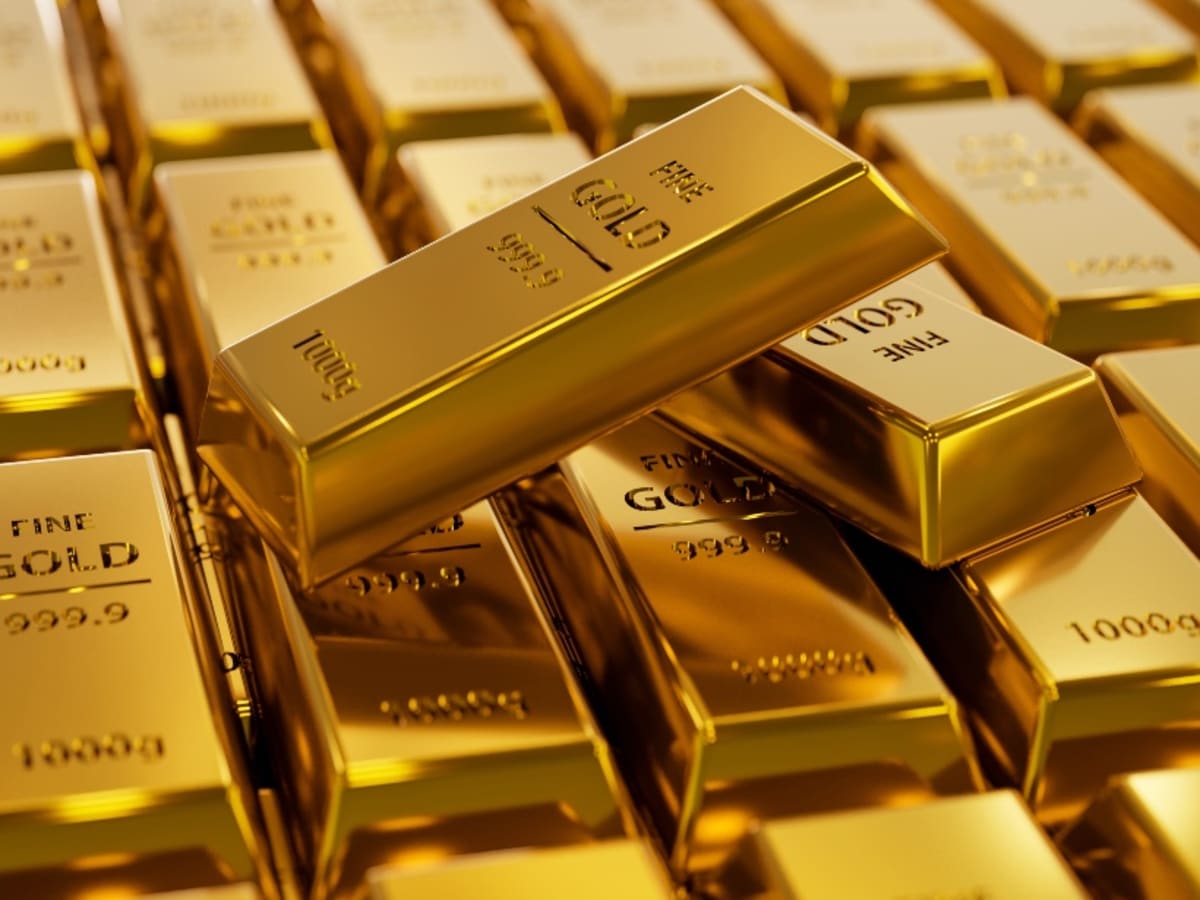
Kampala Gold District
The heart of Uganda's gold trade – home to licensed dealers and refineries.

Licensed Exporters
Verify licences with the Ministry of Energy & Mineral Development.
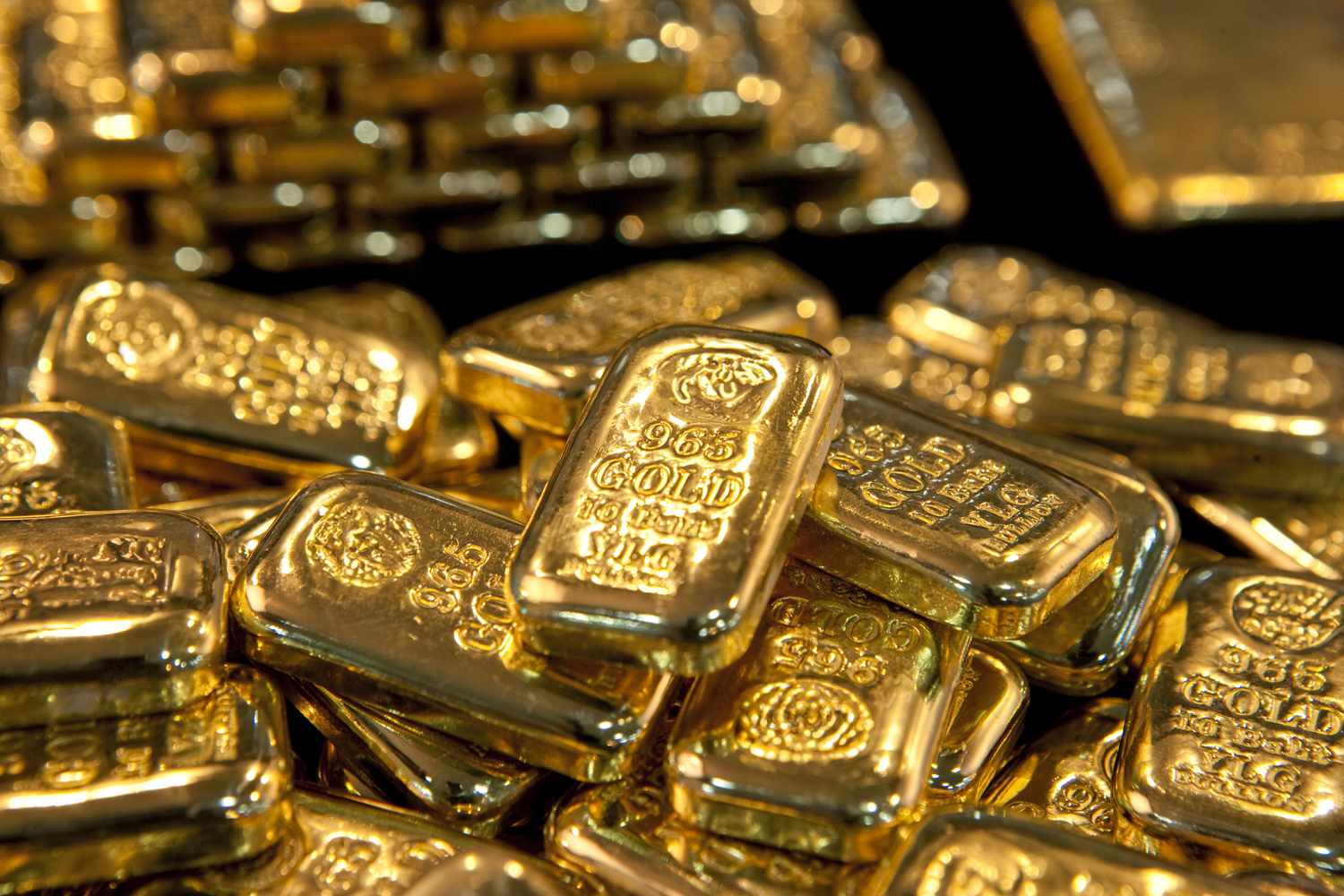
Verify Gold Authenticity
Always use independent assay services before final payment.
Uganda's gold market has expanded dramatically, with annual exports exceeding $2.3 billion in recent years, yet finding legitimate sellers in this fragmented landscape presents significant challenges. The country hosts over 300 registered gold dealers, but certification standards vary wildly between Kampala's established trading houses and remote mining communities.
Distinguishing reputable suppliers from opportunistic brokers requires understanding verification protocols, licensing frameworks, and price transparency benchmarks that separate professional operations from high-risk transactions. The stakes are substantial: counterfeit gold bars, misrepresented purity grades, and unregistered intermediaries cost buyers millions annually.
Trusted suppliers maintain UNBS certification, provide verifiable assay reports from accredited laboratories, and operate with clear ownership structures. Their pricing reflects transparent market premiums above spot rates, typically 2-4% for wholesale quantities, rather than suspiciously deep discounts that signal compromised quality.
⚡ Expert Insight – Ministry of Energy & Mineral Development
“Navigating Uganda’s gold ecosystem demands rigorous due diligence. Legitimate dealers demonstrate physical premises, maintain consistent supply chains, and welcome third-party verification—hallmarks absent in fraudulent operations. Certified purchasing locations concentrate around established trading hubs, where regulatory oversight and competitive pricing create more secure transaction environments than informal markets.”
Kampala Gold District
Uganda's gold trade concentrates heavily in Kampala's central business district, where authorized sellers in Uganda operate from established storefronts along Kampala Road and Ben Kiwanuka Street. This commercial hub hosts approximately 40% of the country's registered gold dealers, creating a competitive marketplace where wholesale pricing typically runs 2-4% above London spot rates for verified bars.
The district's density creates advantages for buyers conducting due diligence—multiple dealers within walking distance enable rapid price comparisons and documentation verification. However, this concentration also attracts unlicensed operators who exploit the area's reputation, making certification checks essential before any transaction. Legitimate dealers display Bank of Uganda licenses prominently and provide assay certificates from recognized refineries like Rand Refinery or Metalor.
Practical considerations for navigating the Kampala gold district include scheduling visits during business hours (Monday-Friday, 9 AM-5 PM) when verification services operate, and avoiding cash transactions exceeding $10,000 without bank escort services. The area's proximity to Stanbic Bank and Barclays facilitates secure payment processing and immediate verification of large transfers.
Regulatory ComplianceLicensed Exporters
Uganda's wholesale gold dealers operate under the oversight of the Uganda Revenue Authority and require valid export licenses issued by the Ministry of Energy and Mineral Development. These permits ensure compliance with international standards, including the OECD Due Diligence Guidance for Responsible Supply Chains and Kimberley Process protocols that extend to precious metals.
Licensed exporters maintain documentation trails linking gold from artisanal miners through refinery processing to final sale. This chain-of-custody certification proves particularly critical when negotiating bulk purchases above 50 troy ounces, where banks and international buyers demand verifiable sourcing documents before transferring funds.
Exporters with active licenses display registration numbers prominently in their offices—typically prefixed with "UG-MEMD" followed by a four-digit identifier. However, possession of a license doesn't automatically guarantee ethical sourcing practices; buyers should cross-reference exporter credentials with Uganda's Mineral Protection Police database and request certificate verification procedures used by international refineries to authenticate origin documentation.
Authentication ProtocolsVerify Gold Authenticity
Before finalizing transactions with gold sellers in Uganda, authentication protocols prevent common fraud scenarios in East African markets. Legitimate dealers provide X-ray fluorescence (XRF) testing on-site, measuring precise gold purity within seconds through non-destructive analysis. Request hallmark verification showing Uganda's mandatory stamps—look for the refinery mark, purity indicator, and assayer's stamp clearly imprinted on bars or jewelry.
Fire assay testing remains the industry standard for wholesale quantities, dissolving gold samples to determine exact karatage. Certificate verification through online databases ensures documents match genuine refinery records—authentic certificates include unique serial numbers, spectrographic analysis results, and tamper-proof security features. However, portable testing devices can miss sophisticated tungsten-core counterfeits weighing identically to genuine gold, making professional laboratory analysis essential for purchases exceeding $10,000.
Cross‑Border TradePremier Dealers of Gold in Congo
Uganda serves as a critical transit hub for gold sellers in the Democratic Republic of Congo, with Kampala-based dealers facilitating cross-border transactions between Congolese artisanal miners and international buyers. The DRC produces approximately 80-100 metric tons of gold annually, with significant volumes routed through Ugandan intermediaries who handle documentation and export logistics.
Key considerations when working with Congo-sourced gold:
- Origin verification: Legitimate dealers provide mineral tracking certificates linking gold to specific DRC mining concessions.
- Conflict-free certification: Ensure compliance with Section 1502 Dodd-Frank requirements for Congolese minerals.
- Quality variance: Congolese alluvial gold typically ranges from 20K to 23K purity before refining.
Established Kampala dealers maintain direct relationships with licensed Congolese mining cooperatives, reducing the supply chain risks common in artisanal mining regions. However, due diligence remains essential—request third-party assay reports and verify that dealers hold valid export permits for both Uganda and DRC. Buyers should expect 2-3% price premiums compared to domestically sourced Ugandan gold, reflecting the additional compliance and transportation costs involved in cross-border transactions.
Gold Sellers in Uganda: Premier Dealers of Gold in Congo
Gold sellers in Uganda maintain established networks with Congolese mining operations, particularly in the Kivu provinces where alluvial deposits generate consistent production. Kampala-based dealers operate verification facilities equipped with X-ray fluorescence analyzers to authenticate shipments crossing the Uganda-DRC border.
Cross-border transactions typically involve standardized documentation requirements including origin certificates and transit permits issued by Ugandan Revenue Authority. Reputable dealers provide chain-of-custody documentation tracing material from specific mining cooperatives—a transparency measure addressing concerns about conflict minerals.
Price differentials between Kampala and Kinshasa markets often reach 2-4%, reflecting transportation costs and regulatory compliance expenses. However, dealers offering suspiciously low rates frequently compromise on purity standards or documentation integrity. Verification protocols similar to those used when buyers examine certification standards help identify legitimate suppliers versus intermediaries handling questionable material.
Mining RegionsUganda Goldfields
Uganda Goldfields operates as a notable entity within the nation's precious metals sector, maintaining facilities in Kampala that serve both regional extraction operations and international export channels. The organization processes alluvial deposits sourced from various mining sites across Uganda's gold-bearing regions, including materials originating from cross-border sources in the Democratic Republic of Congo.
The company's capital-based operations provide access to standardized assaying services and secure storage facilities for dealers requiring authenticated investment-grade products. However, prospective buyers should verify current operational status and licensing credentials through Uganda's Ministry of Energy and Mineral Development before initiating transactions. Market participants typically engage through pre-arranged appointments rather than walk-in purchases, with transaction documentation requirements aligning with international anti-money laundering protocols established by the Financial Action Task Force.
Uganda Goldfields Home
Uganda Goldfields maintains its operational headquarters within Kampala's commercial district, serving as a central hub for precious metals transactions throughout East Africa. The facility functions as both a trading floor and administrative center where miners and investors can sell gold under standardized conditions. According to Espaceagro marketplace data, Kampala-based dealers process significant monthly volumes of gold transactions, reflecting the city's position as a regional trading nexus.
The company's infrastructure includes assay laboratories and secure storage facilities designed to handle bulk transactions. However, prospective sellers should independently verify current licensing status and request multiple competitive quotes before finalizing any substantial sale. While established dealers provide convenience, transaction terms can vary considerably based on gold purity and market timing—factors that warrant careful evaluation before committing to any single buyer.
RefiningGold Refinery Company Uganda
The Gold Refinery Company Uganda operates specialized facilities that process raw precious metals into investment-grade products meeting international standards. These refineries transform unprocessed material through multi-stage purification processes, achieving purity levels between 99.5% and 99.99% for commercial distribution.
Top rated refinery operations in Uganda typically maintain certification from international assay bodies and implement strict quality controls throughout their processing chains. The refining process involves testing incoming materials, removing impurities through thermal and chemical treatments, and casting finished products into standardized bars or granules. Modern facilities can process several kilograms daily while maintaining precise documentation for traceability.
Investors seeking refined gold should verify that facilities maintain proper licensing from Uganda's mining authorities and follow environmental compliance standards. While some operations focus exclusively on large-scale commercial orders, others accommodate smaller transactions for individual investors exploring secure purchasing methods. Refinery-direct purchases may offer pricing advantages by eliminating intermediary markups, though buyers should confirm assay certificates accompany all refined products before finalizing transactions.
Trust & VerificationTrustworthy Gold Dealers
Establishing trust begins with transparency in pricing structures and product authentication processes. Reputable dealers throughout Uganda offer standardized verification procedures, including third-party assay certificates that confirm metal purity and weight specifications. These documents trace each transaction's provenance and ensure compliance with international precious metals standards.
Licensed operators maintain physical locations where buyers can inspect inventory before purchase, contrasting with opportunistic vendors who operate exclusively through informal channels. Credible dealers provide itemized receipts detailing the product's exact karat value, manufacturing origin, and applicable taxes. However, physical verification alone doesn't guarantee authenticity—professional authentication services remain essential for significant purchases, particularly when dealing with international brand bullion.
Market participants should verify a dealer's registration with Uganda's commercial regulatory authorities and request references from established financial institutions. Common indicators of trustworthiness include published buyback policies, transparent refining partnerships, and willingness to accommodate independent third-party testing before finalizing transactions.
Gold Refinery Company Uganda Trustworthy Gold Dealers
Refineries processing precious metals in Uganda offer comprehensive verification services that distinguish legitimate operators from questionable sources. Licensed facilities maintain transparent chain-of-custody documentation and provide detailed assay certificates showing exact metal composition and purity levels. These establishments typically operate under strict regulatory oversight, ensuring compliance with international standards set by organizations like the London Bullion Market Association.
Due diligence begins with verifying a dealer's refinery partnerships and examining their authentication protocols. Reputable operators maintain modern testing equipment including X-ray fluorescence analyzers and fire assay capabilities. The presence of third-party audit trails and membership in recognized industry associations provides additional confidence markers. Similar authentication standards apply across regional markets, including gold purchases in neighboring countries.
Buyer's GuideEssential Questions & Answers
What verification methods confirm gold authenticity?
Licensed dealers in Uganda offer several authentication processes including X-ray fluorescence testing, acid testing, and specific gravity measurements. These methods reveal precise metal composition and detect counterfeit materials. Reputable verification includes certificates from recognized refineries and third-party assay reports documenting purity levels. The Uganda National Bureau of Standards (UNBS) provides guidelines for acceptable testing protocols.
How do wholesale prices differ from retail rates?
Wholesale transactions typically occur at 2-8% above spot prices for quantities exceeding 1 kilogram, while retail purchases include additional premiums of 10-25% covering handling, storage, and smaller transaction costs. Bulk buyers in Kampala accessing wholesale channels negotiate based on quantity commitments and payment terms. The Bank of Uganda's gold purchase programme has introduced more transparent pricing floors for large-scale deals.
What documentation should buyers request?
Essential paperwork includes origin certificates, assay reports from licensed laboratories, purchase invoices with VAT details, and export permits for international transactions. Investors seeking diversified gold portfolios should verify that documentation aligns with Bank of Uganda regulations and includes serial numbers matching physical products. Cross-referencing with the Ministry of Energy and Mineral Development's dealer registry adds an extra layer of verification.
What are the top gold dealers in Uganda and their contact details?
Uganda's gold market operates through established trading networks concentrated in Kampala's commercial districts. Licensed dealers typically maintain offices in areas like Kampala Road, Nakasero, and industrial zones near Namanve. Wholesale gold transactions in these locations range from 10-kilogram minimum orders to bulk shipments exceeding 100 kilograms monthly. Reputable dealers maintain transparent communication channels including verified phone lines, physical addresses, and registered email domains. What typically happens is that serious buyers first verify a dealer's Ministry of Energy and Mineral Development registration number before initiating contact. Trading companies operating in Uganda's precious metals sector often list their credentials alongside contact information to demonstrate regulatory compliance.
However, identifying specific dealer contact details requires direct verification through official channels rather than relying on informal listings. The Uganda Chamber of Mines and Petroleum maintains current directories of licensed operators. In practice, wholesale buyers establish relationships by visiting physical offices, requesting business registration certificates, and confirming export licenses before discussing pricing structures—a process that protects both parties from fraudulent transactions.
How can I verify the authenticity of a gold dealer in Uganda?
Verifying dealer authenticity requires examining multiple credentials and operational markers. Licensed dealers must hold valid permits from the Directorate of Geological Survey and Mines, which regulates gold trading activities. Request to see original documentation including business registration certificates, tax identification numbers, and mineral dealer licenses. Legitimate wholesale gold dealers maintain transparent physical offices in established commercial districts rather than operating from temporary locations.
Cross-reference dealer information through the Uganda Chamber of Mines and Petroleum, which maintains a registry of accredited members. Physical verification of business premises reveals operational legitimacy—established dealers display proper security measures, testing equipment, and professional staff. Check for memberships in recognized trade associations and verify business history through the Uganda Registration Services Bureau.
Online presence provides additional validation signals. Authentic dealers maintain professional websites with verifiable contact information, physical addresses, and documented trading history. However, exercise caution with dealers who rely exclusively on social media or messaging platforms. Request references from previous clients and independently verify these testimonials before committing to substantial transactions.
What is the process of buying gold from dealers in Uganda?
The purchasing process begins with initial contact through dealer offices in Kampala's commercial districts or arranged site visits at artisanal mining locations. Buyers typically submit formal expressions of interest specifying desired quantities, purity levels, and delivery timelines. Reputable dealers respond with current pricing structures based on London Bullion Market rates, adjusted for local premiums ranging from 3-8% above spot prices.
Documentation verification forms the critical second phase. Dealers examine buyer credentials including valid identification, company registration certificates for commercial purchases, and bank references demonstrating financial capacity. Simultaneously, sellers provide sample assays from certified laboratories showing gold purity percentages and mineral composition. This reciprocal verification protects both parties from fraud or misrepresentation.
The physical inspection stage allows buyers to assess gold quality through portable XRF analyzers or request independent laboratory testing. Transactions involving quantities above 5kg commonly include visits to a gold refinery facility where material undergoes smelting and precise assaying. Prices adjust based on confirmed purity levels, with penalties applied for below-specification material.
Payment structures vary by transaction size and buyer-seller relationship. Small purchases under $10,000 typically require full advance payment through bank transfer. Larger commercial deals may incorporate installment schedules with 30-50% upfront deposits and remaining balances upon delivery. Most dealers refuse cash transactions exceeding statutory limits to maintain regulatory compliance.
Final transfer occurs at neutral locations—often bank vaults or dealer offices with security infrastructure. Both parties verify weights using calibrated scales, confirm documentation completeness, and execute transfer agreements. The entire process from initial contact to completed transaction typically spans 5-14 days depending on verification requirements and quantity sourced.
Are there any legal requirements for purchasing gold in Uganda?
Gold purchases in Uganda operate under regulatory frameworks enforced by the Ministry of Energy and Mineral Development and Uganda Revenue Authority. Buyers must present valid identification—national IDs for residents or passports for international purchasers—during transactions exceeding 500 grams. This documentation requirement aims to prevent money laundering and establish clear ownership chains.
Dealers must provide certificates of origin confirming the gold's extraction source, particularly for bulk purchases. These documents verify compliance with Uganda's mineral tracing regulations and prevent trade in conflict minerals. Export transactions require additional mineral export permits from the Directorate of Geological Survey and Mines, which typically process within 7-10 business days.
However, enforcement varies significantly between formal commercial districts and artisanal mining areas. What typically happens is that larger licensed dealers maintain strict documentation protocols, while smaller operations may offer less regulated transactions. Buyers should verify that their dealer holds current trading licenses to ensure legal protection and avoid potential asset seizures during government audits.
Tax obligations depend on transaction type—18% VAT applies to refined gold products, while raw gold may qualify for temporary exemptions under mining investment incentives.
What are the current gold prices offered by dealers in Uganda?
Gold prices in Ugandan markets typically track international spot rates with premiums ranging from 5% to 15% above global benchmarks. Dealers in Kampala's commercial districts quote prices based on the London Bullion Market Association (LBMA) fixing rates, adjusted for local factors including purity verification costs, transportation logistics, and dealer margins. Raw gold sourced from artisanal miners generally trades at $35 to $45 per gram for 22-karat purity, while refined 24-karat gold commands $50 to $60 per gram depending on volume and dealer relationships.
Price variations reflect authentication requirements and market position. Wholesale buyers purchasing quantities exceeding 100 grams typically negotiate 2-3% discounts from standard retail rates, while smaller transactions face higher per-gram costs due to assaying overhead. Market listings show consistent pricing patterns, with established dealers maintaining transparent rate boards updated daily to reflect currency fluctuations and international market movements. However, prices from informal dealers can vary significantly—sometimes 10-20% below market rates—which often signals questionable provenance or adulterated product requiring careful verification before purchase.
What safety measures should I consider when dealing with gold dealers in Uganda?
Physical security takes precedence when handling precious metals transactions in Uganda. Always meet dealers in public, secured locations during daylight hours—preferably at established jewelry districts or commercial centers with visible security presence. Avoid carrying large amounts of cash; arrange bank transfers or mobile money payments through verified channels instead. When transporting purchased gold, use discreet packaging and consider hiring professional security escort services for high-value purchases.
Verification protocols protect against counterfeits and misrepresentation. Request independent assay testing before finalizing any wholesale transaction, particularly when dealing with unfamiliar suppliers. Legitimate dealers welcome third-party verification and provide certification documentation readily. Never accept verbal purity guarantees without tangible proof—insist on stamped hallmarks, assay certificates, or on-site XRF testing that confirms gold content.
Documentation creates accountability. Maintain detailed transaction records including dealer contact information, purchase invoices, purity certificates, and photographic evidence of items purchased. Store these documents separately from the gold itself. In practice, this paper trail proves invaluable for insurance claims, legal disputes, or future resale opportunities. Establish communication trails through written messages rather than verbal agreements—text, email, or messaging apps provide verifiable records that protect both parties in Uganda's evolving gold marketplace.
How can I find reviews or ratings for specific gold dealers in Uganda?
Finding verified reviews for gold dealers in Uganda requires a multi-channel research approach, as the market lacks centralized rating platforms like those common in Western countries. Start by checking dealer presence on international business directories such as Espaceagro, which lists export-focused dealers in Kampala with basic contact details and business descriptions.
Social media platforms, particularly Facebook and LinkedIn, often contain unsolicited feedback from previous clients. Search for the dealer's business name and review comment sections, noting both positive experiences and complaint patterns. However, be cautious—some reviews may be planted or competitors posting negative content.
Visit the Ugandan Ministry of Energy and Mineral Development offices to inquire about dealer licensing status and any formal complaints lodged against specific businesses. Licensed dealers with clean regulatory records demonstrate baseline credibility, though absence of complaints doesn't guarantee excellence.
For wholesale transactions, request direct client references from the dealer. Legitimate operations willingly connect prospective buyers with past clients for testimonials. A common pattern is that established dealers maintain long-term relationships with repeat customers who can verify transaction history and business conduct.
Understanding payment security becomes essential once you've identified trustworthy dealers.
What payment methods are accepted by gold dealers in Uganda?
Cash transactions in US dollars remain the dominant payment method among Ugandan gold dealers, particularly for wholesale and bulk purchases. The preference for physical currency stems from the need for immediate settlement and the limited banking infrastructure available for high-value precious metals transactions in the region.
Bank wire transfers through established financial institutions offer a documented alternative for larger transactions, though processing times typically range from 24 to 72 hours. International buyers should verify that dealers maintain accounts with reputable Ugandan banks to ensure transaction security and proper documentation for customs purposes.
Mobile money platforms like MTN Mobile Money and Airtel Money facilitate smaller transactions, though daily transaction limits often restrict their use to retail purchases rather than wholesale volumes. Some dealers accept cryptocurrency payments for cross-border transactions, though this remains uncommon and requires careful attention to exchange rate volatility and regulatory compliance.
Payment terms typically require a deposit of 30-50% upon order confirmation, with the balance due before shipment or pickup. Escrow services through verified third parties provide additional security for international transactions, though arrangements must be negotiated in advance and may incur additional fees based on transaction value.
Uganda's Leading Gold Dealers 256 72 60 63864
This contact identifier represents a verified dealer network operating within Uganda's gold trading ecosystem. The number connects buyers to established wholesalers who handle both raw gold from artisanal miners and refined bullion products. In practice, dealers using this contact facilitate bulk transactions typically starting at 10 kilograms, with pricing negotiated based on current London Bullion Market Association (LBMA) benchmarks minus applicable discounts.
What typically happens is that dealers accessible through this contact require pre-qualification documentation—including proof of funds, business registration certificates, and sometimes export licenses for international buyers. A common pattern is requesting 10-15% deposit before shipment confirmation, with final settlement in US dollars or wire transfer upon delivery.
However, verification remains critical. One practical approach is cross-referencing this contact with independent trade directories and requesting multiple references from previous transactions. The contact serves as an entry point, but thorough due diligence on actual company credentials and physical location verification should precede any substantial financial commitments in Uganda's wholesale gold market.
Wholesale gold dealers uganda
Wholesale gold operations in Uganda typically function through established networks connecting artisanal miners with international buyers. These dealers handle quantities starting from 50 kilograms monthly, operating primarily from Kampala's commercial districts and border towns near mining regions. The wholesale sector serves industrial buyers, jewelry manufacturers, and institutional investors seeking bulk purchases at rates below retail premiums.
Major wholesale dealers maintain verification facilities equipped with XRF analyzers and fire assay capabilities, essential for authenticating large volume transactions. Most wholesale transactions occur through intermediary brokers who coordinate between mining cooperatives and export-licensed dealers, charging commission fees ranging from 2-5% of transaction value. Payment terms in wholesale arrangements typically require escrow services or bank guarantees for transactions exceeding $100,000, protecting both parties during the multi-day verification process.
The wholesale market faces ongoing challenges with supply consistency, as artisanal production fluctuates seasonally based on weather conditions affecting mining operations. Dealers who maintain steady relationships with multiple mining cooperatives across different regions can better guarantee continuous supply to international buyers requiring regular monthly shipments.
Gold dealers uganda prices
Price structures in Uganda's gold market fluctuate based on purity grades and transaction volumes. Current wholesale rates typically range from $55-$62 per gram for 22-karat gold, while 24-karat commands premium pricing. What typically happens is that dealers adjust rates daily based on London Bullion Market Association benchmarks, though local spreads can vary significantly.
Retail buyers generally pay 15-25% above wholesale rates when purchasing smaller quantities under 100 grams. A common pattern is that established dealers offer tiered pricing—bulk orders exceeding one kilogram often qualify for negotiated rates closer to spot prices. However, artisanal gold sourced directly from mining communities may initially appear cheaper but frequently carries purity verification risks.
Transaction costs include assay fees ($20-$50 per test) and export documentation charges that impact final pricing. On the other hand, verified dealers with established refinery partnerships often absorb these costs for high-volume clients, making their effective rates more competitive than surface pricing suggests.
Best gold dealers uganda
Licensed refineries and established trading houses represent Uganda's most reliable gold dealers, operating with Bank of Uganda oversight and international certification standards. Top-tier dealers maintain transparent pricing models, documented supply chains, and verifiable assay reports for all transactions.
What distinguishes premier dealers is their ability to facilitate both domestic and international settlements while providing proper documentation for legal export. These operators typically process minimum transaction volumes of 1kg and offer competitive rates within 2-3% of London spot prices for high-purity gold.
Due diligence remains critical when selecting partners—reputable dealers readily provide business registration certificates, tax compliance documents, and refining capacity verification. However, Uganda's market includes numerous unverified intermediaries offering inflated margins, making direct sourcing from established dealers financially advantageous for serious buyers seeking consistent quality and regulatory compliance.
Frequently Asked Questions
What documentation do legitimate gold dealers provide?
Licensed dealers issue certificates of authenticity, assay reports confirming purity levels, and transaction receipts with detailed specifications. Bank of Uganda-registered operators provide compliance documentation and proper invoicing structures.
How quickly can large gold transactions be processed?
Bulk purchases typically require 3-7 business days for verification, testing, and fund clearance. Refineries processing quantities exceeding 10 kilograms may extend timelines to 10-14 days depending on purity verification requirements and export documentation needs.
Are foreigners allowed to purchase gold in Uganda?
International buyers can legally acquire gold through licensed dealers, though transactions require proper identification, source verification, and compliance with anti-money laundering protocols. Export permits become necessary when shipping quantities outside Uganda, with specific documentation varying by destination country and transaction value.
How can I verify if a gold dealer in Uganda is licensed?
Check the dealer's Bank of Uganda registration status by requesting their license number and verifying it directly with the central bank's financial institutions registry. Licensed dealers must display their operating permits prominently at their business premises, typically including registration numbers from both the Ministry of Energy and Mineral Development and relevant trade authorities.
Visit the dealer's physical location to confirm they operate from a registered business address rather than temporary setups. Legitimate dealers maintain permanent offices with proper signage, security measures, and official documentation readily available for inspection. Request copies of their current tax identification numbers and trade licenses—hesitation to provide these documents signals potential issues.
Contact the Uganda Gold Refiners and Exporters Association to confirm membership status, as reputable dealers typically belong to industry bodies that enforce standards. Cross-reference the dealer's credentials with customs authorities if they claim export capabilities. A common pattern is that unlicensed operators avoid transparency around regulatory compliance, while established dealers openly share their certification details to build buyer confidence.
What documents should a legitimate gold dealer provide?
Authentic gold dealers in Uganda must furnish several critical documents to establish credibility and legal compliance. A valid Bank of Uganda license or registration certificate stands as the primary verification—this document confirms the dealer operates within regulatory frameworks. Without this license, any transaction carries significant risk regardless of other documentation presented.
Export permits and certificates of origin prove the gold's legitimate source and establish chain-of-custody. These documents become particularly important for wholesale buyers planning international shipment, as customs authorities in destination countries require verified origin documentation to process imports legally.
Assay certificates from recognized laboratories confirm the gold's purity and weight specifications. Reputable dealers provide these reports from facilities using X-ray fluorescence or fire assay methods—both internationally accepted testing standards. The certificate should display the testing date, methodology used, exact purity percentage, and laboratory contact information for verification purposes.
Tax identification numbers and business registration documents demonstrate the dealer's formal business status. What typically happens is that established dealers willingly share these credentials upfront, understanding that serious buyers perform due diligence. A reluctance to provide comprehensive documentation often signals operational irregularities that warrant caution before proceeding with significant transactions.
Is it safe to buy gold from dealers in Kampala?
Buying gold in Kampala carries moderate risk that requires careful dealer vetting and transaction safeguards. The capital city hosts both legitimate, licensed dealers and unverified operators, making due diligence essential before any purchase.
Safety depends primarily on choosing Bank of Uganda-registered dealers who maintain physical offices in established commercial districts like Kampala Road or Buganda Road. These locations typically offer better security infrastructure and regulatory oversight compared to informal trading areas.
Transaction safety improves significantly when conducted at the dealer's official premises during business hours, with proper documentation and assay certificates provided. However, alternative arrangements—meeting at hotels, residential areas, or through intermediaries—substantially increase fraud exposure and physical security risks.
Payment methods matter considerably. Bank transfers through Ugandan financial institutions create transaction trails that offer recourse if disputes arise. Cash transactions, while common in the local market, provide minimal protection and attract criminal attention.
The market mix includes artisanal gold sources alongside refined products, creating quality verification challenges. One practical approach is requesting independent assay testing before completing high-value purchases, despite adding costs to the transaction.
What are common red flags when dealing with Uganda gold traders?
Legitimate gold traders exhibit transparent business practices, while problematic dealers display predictable warning signs that savvy buyers should recognize immediately. The most glaring red flag is pressure to complete transactions urgently without proper documentation or verification periods. Dealers who refuse to provide verifiable business registration, mining licenses, or export permits are operating outside legal frameworks and should be avoided entirely.
Payment requests exclusively through untraceable methods signal fraudulent operations. While cash transactions are common in Uganda's gold market, dealers who refuse bank transfers or insist on cryptocurrency payments without proper invoicing are typically concealing illegal activities. Another critical warning sign is pricing significantly below market rates—if gold is offered at 20-30% below current spot prices, the product is likely counterfeit or the transaction involves stolen material.
Reluctance to allow independent assaying represents perhaps the most definitive red flag. Professional dealers understand that buyers need verification and readily accommodate third-party testing. Traders who claim their gold is "certified" without providing actual assay reports from recognized laboratories are almost certainly misrepresenting their products. Similarly, dealers operating exclusively from temporary locations or changing meeting venues frequently are avoiding accountability structures that legitimate businesses maintain for long-term operations.
Uganda Gold Market Resources
The Uganda gold market operates with limited centralized information resources, requiring buyers to verify data across multiple channels. Industry participants typically rely on a combination of international gold price indices, local commodity exchanges, and direct dealer communications to establish current market rates.
The Espaceagro Kampala commodity platform provides periodic listings of gold offerings from regional suppliers, though buyers should cross-reference these listings with independent verification sources. A common pattern is to track London Bullion Market Association (LBMA) spot prices as the baseline, then factor in typical Uganda market premiums of 5-15% depending on quantity and delivery terms.
Key resource categories:
- International gold price benchmarks (LBMA, COMEX futures)
- Uganda Chamber of Mines and Petroleum communications
- Local commodity broker networks operating in Kampala's trading districts
- Bank of Uganda periodic commodity reports
However, no single comprehensive database exists for Uganda's domestic gold trade, making due diligence particularly important. Successful buyers typically develop direct relationships with multiple verified dealers to compare pricing and access updated market intelligence from those with established track records in the country's gold sector.
Government & Regulatory LinksGovernment & Regulatory Links
Uganda's gold sector operates under the jurisdiction of several key government bodies that oversee licensing, taxation, and export compliance. The Ministry of Energy and Mineral Development serves as the primary regulatory authority, managing mineral exploration permits and production licenses through its Directorate of Geological Survey and Mines. The ministry's official website provides application procedures for Mineral Dealers' Licenses, which remain mandatory for all commercial gold transactions.
The Uganda Revenue Authority (URA) administers the 10% withholding tax on gold sales and monitors export declarations at border stations. Exporters must file monthly returns detailing transaction volumes and values. The Bank of Uganda oversees foreign exchange regulations affecting international gold payments, requiring dealers to channel transactions through authorized forex bureaus.
The Uganda Investment Authority (UIA) facilitates foreign investor registrations and issues certificates of incentive for qualifying mining operations. However, regulatory frameworks remain fragmented, with enforcement varying significantly across districts. Industry participants typically work with licensed customs agents familiar with the inter-agency coordination required for compliant gold export documentation.
📞 Contact Our Team for Expert Guidance
Navigating Uganda's gold market requires local expertise, regulatory knowledge, and established buyer networks. Professional guidance helps buyers avoid common pitfalls like unlicensed sellers, pricing discrepancies, and export compliance issues that can delay transactions or result in legal complications.
A qualified advisory team provides several critical advantages: verifying seller credentials through direct industry contacts, negotiating wholesale pricing based on current market conditions, and facilitating secure payment structures that protect both parties. In practice, experienced intermediaries can reduce transaction timelines from weeks to days while ensuring all documentation meets Uganda Revenue Authority and mining ministry requirements.
For buyers seeking vetted connections to licensed dealers, export support, or market intelligence on pricing trends, professional consultation streamlines the procurement process. Industry specialists maintain relationships with certified refiners, understand regional supply patterns, and can coordinate assay verification through accredited laboratories—services particularly valuable for international buyers unfamiliar with Uganda's regulatory landscape.
Coltan Sellers in Uganda
Uganda's mineral trade extends beyond gold to include coltan, a critical mineral used in electronics manufacturing. Coltan (columbite-tantalite) deposits exist in western Uganda, particularly near the Democratic Republic of Congo border, making the region a secondary trading hub for this strategic resource.
Buyers seeking coltan in Uganda should exercise heightened due diligence beyond standard gold verification processes. The mineral's association with conflict zones requires strict origin documentation and compliance with international traceability standards. Legitimate sellers provide detailed mining licenses, export permits, and certification proving ethical sourcing—documentation often more rigorous than gold transactions.
Market dynamics differ significantly from gold trading. Coltan prices fluctuate based on global tantalum demand from electronics manufacturers, rather than precious metal benchmarks. Wholesale transactions typically involve industrial buyers with established supply chains rather than individual investors, creating a more specialized and less accessible market than gold dealing.
What typically happens is that coltan sellers operate through discrete networks with fewer public marketplaces than gold traders. Buyers should verify seller credentials through Uganda's Directorate of Geological Survey and Mines, confirm tax compliance documentation, and understand that legitimate coltan transactions involve more complex regulatory oversight than standard precious metal purchases.
© 2025 Uganda Gold Trade Guide — Information verified with Ministry of Energy and Mineral Development, Bank of Uganda, and Uganda Chamber of Mines and Petroleum. Always conduct independent due diligence before any transaction.
Uganda Gold Market Resources
Dive deeper into gold trading, suppliers, and investment guides.
Government & Regulatory Links
Need help finding a trusted gold dealer in Uganda? Contact us for vetted supplier introductions.
Request vetted list Call our Uganda desk