Gold Market in Kampala – East Africa Gold Trading Hub
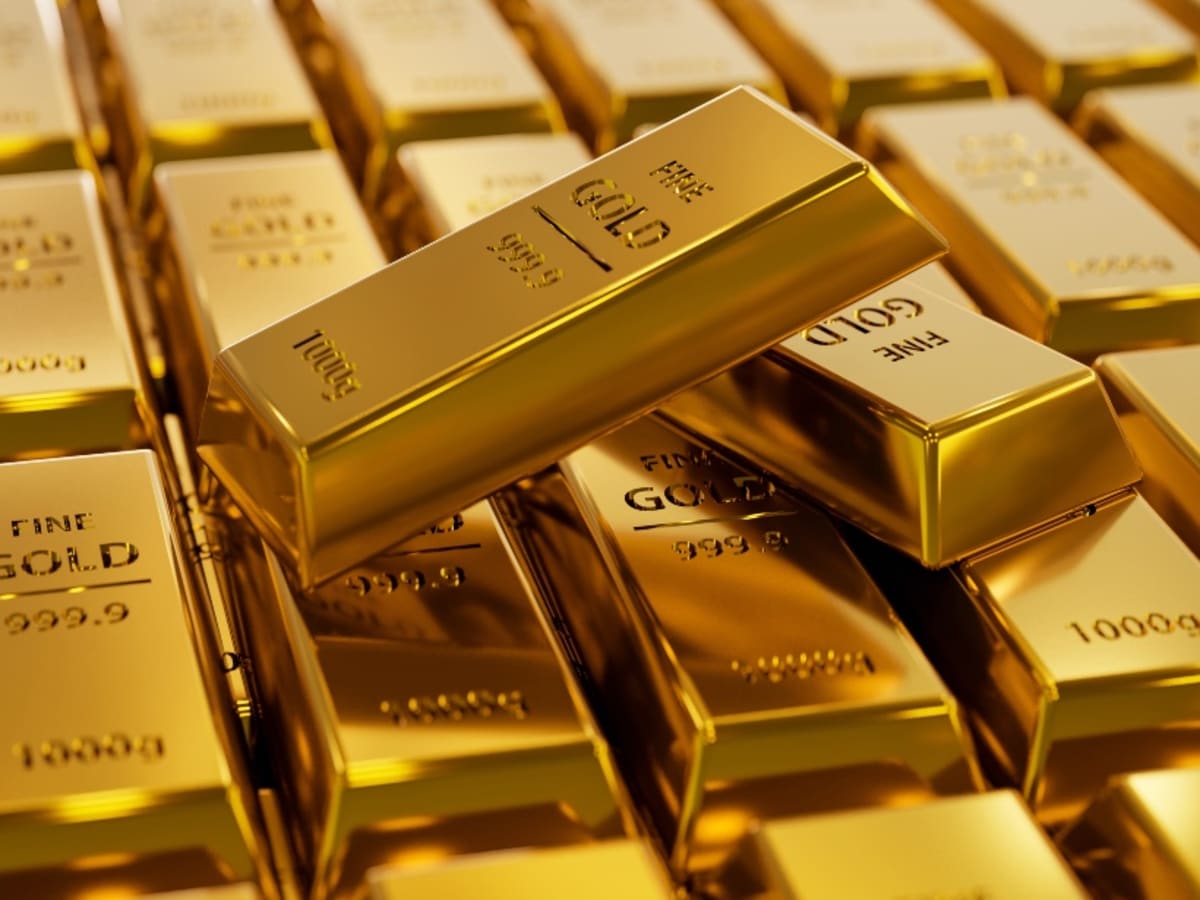
Kampala's Gold Trading Hub
The uganda gold market kampala serves as the central nexus for East Africa's precious metals sector, connecting artisanal miners, refiners, exporters, and international trade networks.

Active Trading Ecosystem
The gold market kampala price fluctuates throughout the day as buyers and sellers negotiate at dozens of licensed trading offices clustered around Kampala Road and the Nakasero commercial district.
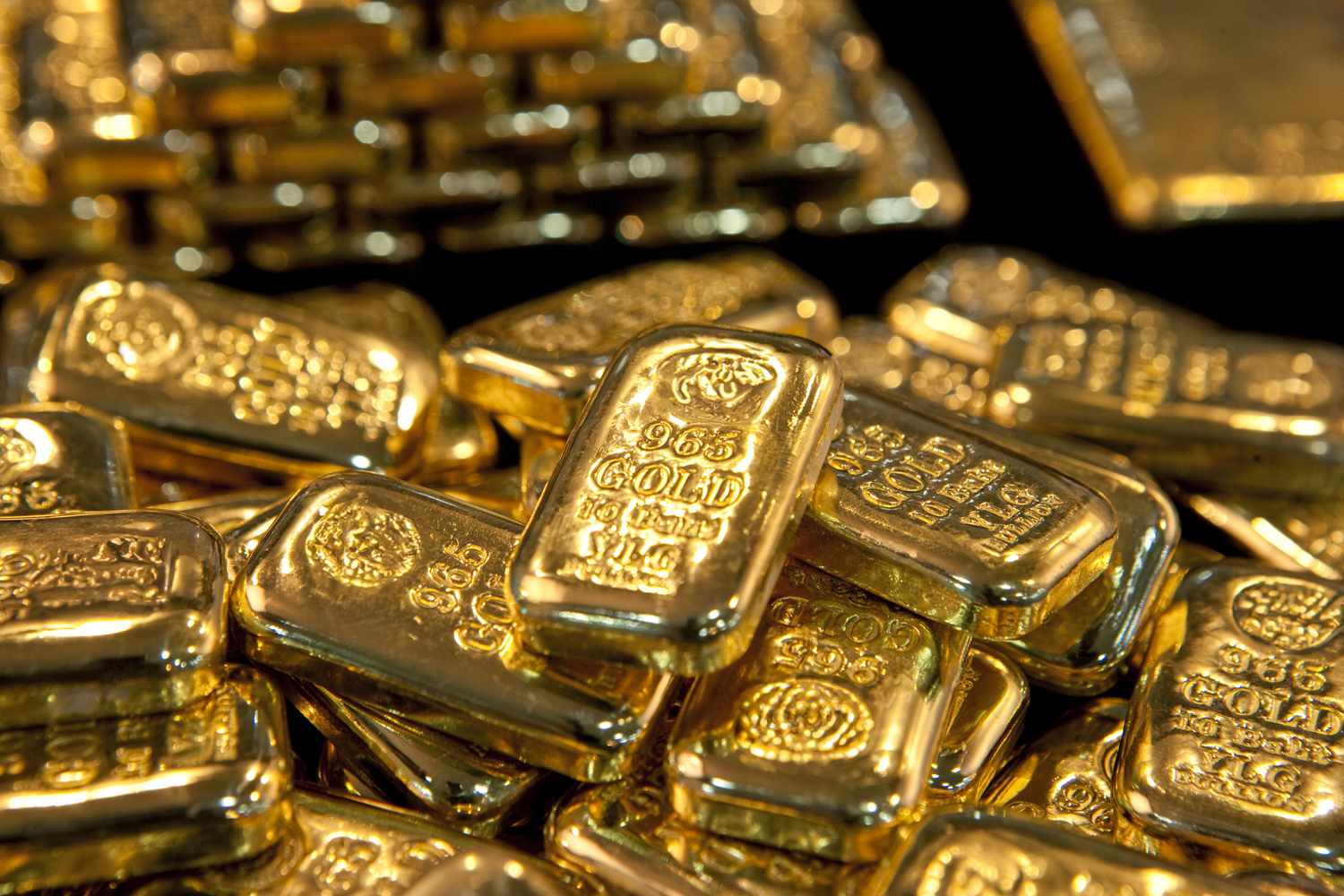
Gateway to Global Markets
Kampala's position as a regional gold trading hub transforms local transactions into gold market kampala today connections with international refineries, central banks, and institutional investors worldwide.
Uganda gold exports reached a record Shs21.1 trillion in recent periods, positioning Kampala as East Africa's fastest-growing precious metals trading center. This surge reflects both increased artisanal mining output and growing international investor confidence in Uganda's gold sector infrastructure.
The capital city now anchors a sophisticated trading network connecting artisanal miners with certified dealers and international buyers. With gold prices projected toward $5,000 amid global economic uncertainty, Kampala's strategic position between mineral-rich regions and coastal export routes creates unique opportunities for both local traders and foreign investors seeking African gold market exposure.
Kampala's Gold Trading Hub
The uganda gold market kampala serves as the central nexus for East Africa's precious metals sector, connecting artisanal miners, refiners, exporters, and international trade networks. The city's strategic position has transformed it into a critical aggregation point where gold from Uganda's mining regions and neighboring countries flows before entering global markets. With gold prices reaching new highs and analysts projecting potential movements toward $5,000 per ounce, Kampala's infrastructure has evolved to handle increasing transaction volumes. However, market participants face ongoing challenges around price transparency and verification standards that require careful navigation.
Active Trading Ecosystem
The gold market kampala price fluctuates throughout the day as buyers and sellers negotiate at dozens of licensed trading offices clustered around Kampala Road and the Nakasero commercial district. This dynamic pricing environment reflects global gold market movements, which saw precious metals soar amid heightened uncertainty in early 2026, while incorporating local factors including purity verification results, transaction volumes, and regional supply dynamics.
Traders typically operate between 9:00 AM and 5:00 PM, with peak activity occurring mid-morning when overnight international price changes have stabilized. Buyers can compare gold bar options across multiple dealers within a single business district, enabling competitive price discovery. The ecosystem includes artisanal miners selling raw gold, refiners offering certified bars, and exporters purchasing bulk volumes all converging in a transparent marketplace where reputation and verification standards determine trading relationships.
Gateway to Global Markets
Kampala's position as a regional gold trading hub transforms local transactions into gold market kampala today connections with international refineries, central banks, and institutional investors worldwide. Licensed exporters maintain direct relationships with Swiss refineries, London bullion dealers, and Middle Eastern buyers who depend on East African sourcing. This integration means morning price negotiations in Kampala Road offices directly reflect overnight movements in New York and Asian trading sessions, creating real-time linkage between artisanal miners and global precious metals markets that demand transparent sourcing documentation and verifiable chain-of-custody records for every shipment leaving Uganda's borders.
How Gold Trading Developed in Kampala
Uganda's emergence as a gold trading center followed three decades of economic transformation, beginning with liberalization reforms in the 1990s that opened precious metals markets to private enterprise. Before this period, gold trading operated through informal channels with minimal government oversight, creating a fragmented system that left most transactions undocumented and traders without legal protections.
The 2000s brought structural changes when Uganda joined regional mining initiatives and established licensing frameworks specifically for gold buyers and exporters. This period saw Kampala transform from a pass-through point into a structured trading hub where international buyers could access gold from mining areas visible on any uganda gold map particularly deposits in Karamoja, Busia, and Mubende districts.
However, the market's modern character took shape after 2014, when government regulators implemented mandatory assaying requirements and established export protocols aligned with international refining standards. These changes attracted licensed trading houses to Kampala, creating the concentration of offices that defines the city's gold district today. According to Uganda's Gold Exports Hit Record Shs21.1 Trillion, formalization efforts contributed to export growth that reached unprecedented levels by 2025.
Infrastructure development played an equally critical role. The establishment of certified assay laboratories in Kampala eliminated the need to transport samples abroad for testing, reducing transaction times from weeks to hours. Banking sector improvements enabled electronic fund transfers and escrow services, replacing the cash-based systems that had characterized earlier trading periods.
What distinguishes Kampala's development from other regional trading centers is the parallel growth of artisanal mining support networks. As trading formalized, suppliers gained access to equipment and safety protocols that improved mining efficiency across Uganda's gold-producing regions. This created a feedback loop: better mining practices increased gold quality, which attracted more sophisticated buyers, which justified further infrastructure investment.
By 2026, these historical developments had positioned Kampala as the primary gateway through which regional gold enters global supply chains, with trading volumes reflecting decades of deliberate market building.
Regional Gold Supply Chains
Uganda's gold trading network extends across Central and East Africa, with gold mines in uganda representing only part of the supply flowing through Kampala's markets. The Democratic Republic of Congo contributes approximately 60% of gold entering Uganda's trading channels, followed by South Sudan and Kenya, creating a complex cross-border ecosystem that connects small-scale mining operations with international buyers.
What typically happens in practice is that artisanal miners in remote areas sell to local aggregators who transport material through informal networks to Kampala's trading centers. These supply chains operate with varying degrees of documentation while Uganda's exports hit record Shs21.1 trillion in 2024, significant volumes move through channels that bypass official recording systems, making precise sourcing difficult for end buyers.
The price differential between rural mining areas and Kampala markets creates natural trading corridors. Gold purchased at 90-95% of spot price in producing regions reaches the capital where licensed dealers and refineries offer closer to international rates. However, this fragmented supply chain poses challenges for buyers seeking secure investment-grade material, as origin verification becomes increasingly complex with each intermediary transaction.
Democratic Republic of Congo
The Democratic Republic of Congo serves as the primary source of gold flowing through Kampala's trading network, contributing significantly to uganda gold exports 2025 figures that reached record levels. However, the DRC represents both the greatest opportunity and the most significant compliance challenge for Kampala's gold traders.
Eastern DRC provinces particularly North Kivu, South Kivu, and Ituri produce substantial gold quantities through artisanal and small-scale mining operations. This gold typically crosses into Uganda through informal border points, creating a complex supply chain that legitimate traders must navigate carefully. The porous 800-kilometer border between Uganda and the DRC facilitates movement but complicates source verification.
Kampala's refiners face ongoing scrutiny regarding Congolese gold sourcing. International organizations monitor DRC gold flows due to concerns about conflict financing and labor practices in artisanal mining areas. Responsible traders implement enhanced due diligence protocols, including chain-of-custody documentation and supplier screening systems that exceed standard requirements.
What typically happens is that gold from the DRC enters through multiple channels some documented through official export-import procedures, others through informal networks that later seek legitimization. This dual-stream reality shapes how Kampala's gold market operates, requiring traders to balance commercial opportunities with regulatory compliance and reputational risk management in an environment where supply chain transparency remains challenging.
South Sudan
South Sudan represents an emerging corridor in Kampala's gold supply network, though volumes remain modest compared to Congolese flows. Cross-border traders move small quantities through informal channels, capitalizing on Uganda's more developed infrastructure and international connections. The country's unstable security situation limits large-scale mining operations, yet artisanal extraction continues in regions like Central and Western Equatoria.
Gold from South Sudan typically enters Kampala through northern border towns, where traders consolidate shipments before reaching the capital's refining facilities. These transactions rarely involve formal documentation, complicating Uganda's efforts to track the true origin of metal entering its gold trillion-dollar export pipeline. Regional stability improvements could shift these patterns, potentially increasing South Sudanese gold volumes flowing through Uganda gold trillion shilling annual trade figures in future years.
The proximity between Juba and Kampala approximately 750 kilometers makes Uganda a logical destination for South Sudanese gold seekers requiring access to international buyers and reliable payment systems. However, transportation risks and border bureaucracy encourage smaller, more frequent shipments rather than consolidated bulk transfers. This fragmented approach adds complexity to Kampala's regional sourcing analysis while maintaining South Sudan's role as a secondary contributor to Uganda's overall gold market activity.
Uganda Domestic
While cross-border flows dominate Kampala's gold market, Uganda domestic production represents a growing secondary supply channel. Local artisanal miners and small-scale operations contribute modest volumes to the trading ecosystem, primarily from western Uganda's Buhweju and Mubende districts. These domestic sources typically feed into the same export infrastructure that handles Congolese and South Sudanese gold, creating blended supply chains that complicate origin tracking.
Uganda gold mine investment activity has increased as international buyers recognize the country's geological potential. Licensing frameworks for small-scale miners have evolved, though enforcement remains inconsistent across districts. Domestic production volumes pale in comparison to re-exported Congolese gold but provide legitimate sourcing alternatives for traders seeking to diversify their supply documentation. Local gold typically trades at slight premiums over imported material due to clearer provenance, making it attractive for buyers focused on compliance requirements in downstream markets.
Gold Export Businesses
Gold export businesses serve as the critical bridge between Kampala's informal trading networks and international refineries. These licensed entities aggregate material from local dealers, conduct preliminary assays, and arrange secure shipments to processing facilities in Dubai, Switzerland, and Belgium. While the Uganda gold market operates through numerous small traders, export businesses provide the legitimacy and documentation required for cross-border transactions.
Licensed exporters typically maintain relationships with multiple buying networks simultaneously purchasing from established dealers in downtown Kampala's trading corridors, artisanal mining cooperatives near the DRC border, and occasionally directly from larger-scale operations. The record Shs21.1 trillion in gold exports reflects both increased formalization and better capture of previously undocumented flows through these registered channels.
However, export volumes significantly exceed Uganda's documented domestic production, revealing these businesses' primary function as regional consolidation points rather than purely national exporters. A common pattern is for exporters to blend material from various sources domestic mines, Congolese cross-border flows, and South Sudanese purchases into larger lots that meet international refinery minimum requirements.
This consolidation role creates natural opportunities for international buyers seeking East African gold exposure while navigating the region's complex sourcing landscape.
Role of International Buyers
International buyers shape Kampala's gold market through their purchasing power and price-setting influence. These entities primarily representing Middle Eastern refineries, Asian jewelry manufacturers, and European precious metal traders determine the Kampala price through competitive bidding that reflects global spot rates minus regional premiums. Global gold prices remain elevated amid economic uncertainty, creating sustained demand for Uganda's output.
Foreign buyers typically maintain local representatives who evaluate material quality, negotiate terms with licensed exporters, and arrange logistics. Their presence creates price transparency: when multiple international parties compete for Kampala's supply, sellers gain leverage that narrows the discount gap between local and London fix rates. However, buyer concentration in specific geographic markets particularly the UAE and India means shifts in those countries' import policies directly impact Uganda's export dynamics. The structural bull cycle in gold creates favorable conditions, yet international buyers increasingly demand enhanced traceability documentation before finalizing purchases.
Dubai Refiners
Dubai refiners dominate the final stage of Kampala's gold supply chain, processing the majority of Uganda's exported precious metals. These facilities concentrated in Dubai's Almas Tower and Jebel Ali Free Zone transform raw material into investment-grade bullion that enters global markets. The relationship between Kampala traders and Dubai refineries shapes the market kampala price structure, as local dealers must account for refining costs, transportation logistics, and international spot price fluctuations when calculating their margins.
What makes Dubai particularly attractive is its strategic position as a tax-free precious metals hub. Refineries there typically purchase material at approximately 95-98% of the London Bullion Market Association (LBMA) spot price, with the discount covering refining fees and commercial margins. A common pattern is that larger export volumes command better pricing terms, creating competitive pressure among Kampala's licensed dealers to consolidate smaller purchases into substantial shipments.
The refining process itself adds several days to the value chain. Upon arrival, material undergoes assaying to determine precise purity levels often revealing variances from initial claims. Refiners then melt, purify, and cast the gold into standardized bars bearing their hallmark and certification. These certified products carry significantly higher market value than unrefined material, creating substantial value addition beyond Uganda's borders while leaving local traders competing on thin margins within Kampala's price-sensitive trading environment.
Indian Buyers
Indian buyers represent a growing force in Kampala's gold market today, leveraging traditional expertise in precious metals refinement and jewelry manufacturing. These purchasers primarily representing family-owned trading houses and established jewelry manufacturers based in Mumbai and Delhi compete directly with Dubai refiners for high-purity gold shipments from Uganda's mining regions.
What distinguishes Indian buyers is their dual-market approach: acquiring raw gold for domestic jewelry production while simultaneously trading refined bullion through international exchanges. Indian trading houses typically offer competitive premiums on gold purchases, particularly for consignments exceeding 10 kilograms, because India's domestic consumption patterns create consistent demand despite import duty structures. However, regulatory frameworks governing gold imports into India can shift purchasing strategies, with buyers adjusting their Kampala operations based on duty rates and banking regulations in their home market. This creates price volatility that local miners must navigate when negotiating sales terms.
European Banks
European banks maintain minimal direct presence in Kampala's physical gold market today, instead facilitating transactions through correspondent banking relationships and trade finance mechanisms. Unlike the hands-on involvement of Dubai refiners or Indian buyers, European financial institutions primarily engage through letter-of-credit arrangements, wire transfer services, and compliance monitoring for precious metals shipments leaving Uganda. Major international banks operating in Kampala including Standard Chartered, Barclays affiliates, and Stanbic provide the financial infrastructure that enables gold exports but rarely take physical possession of the metal itself.
The market kampala today functions largely outside traditional European banking channels, with most transactions settling through Middle Eastern and Asian financial networks. This reflects broader shifts in gold trade patterns, where emerging market central bank demand increasingly drives the precious metals sector. European institutions instead focus on regulatory compliance ensuring anti-money laundering protocols and know-your-customer requirements are met before clearing international payments. One practical approach involves banks requiring full documentation of gold origin, refining certificates, and export permits before processing transfers exceeding $50,000, creating additional due diligence layers that some traders view as obstacles to market efficiency.
Market Regulations
Market regulations in Kampala's gold sector have undergone significant transformation since Uganda established formal oversight of precious metals trading. The Uganda Ministry of Energy and Mineral Development now requires all gold dealers to obtain proper licensing and maintain traceable supply chains, creating a regulatory gold map that tracks legitimate traders from artisanal miners through exporters to international buyers.
Recent reforms introduced mandatory documentation for all gold transactions above specific thresholds, establishing clearer accountability in an industry historically plagued by informal trading practices. However, enforcement remains inconsistent a common pattern is that licensed dealers operate alongside unregulated market participants, particularly in smaller trading centers outside the capital's primary commercial districts.
Tax compliance requirements now include value-added tax obligations and export duties that boosted Uganda's gold export revenues to record levels, yet implementation challenges persist. Licensed traders face competitive disadvantages when informal operators avoid these costs entirely, creating tension between regulatory compliance and market competitiveness.
On the other hand, international anti-money laundering standards increasingly influence local practices, with European banking partners requiring enhanced due diligence on gold shipment origins. What typically happens is that established dealers welcome these transparency measures as competitive advantages, while smaller operators struggle to meet documentation standards that legitimate buyers now demand.
Future of Kampala's Gold Trade
Kampala's position as a regional gold trading hub faces significant transformation as Uganda's mining sector undergoes rapid expansion. With gold exports reaching record levels of Shs21.1 trillion in recent reporting periods, the capital's infrastructure must adapt to accommodate growing volumes from newly operational gold mines across Uganda's western regions and Karamoja district.
The structural shift in global gold markets with analysts projecting potential movements toward $5,000 per ounce positions Kampala to benefit from sustained international demand. However, this growth trajectory depends on resolving persistent challenges in regulatory transparency, standardizing assaying procedures, and establishing direct refining capabilities within Uganda itself.
Digital integration represents another frontier for Kampala's gold trade. While traditional cash-based transactions dominate currently, technological adoption for documentation, chain-of-custody tracking, and international settlement systems will likely determine which trading centers maintain competitive advantage. The question facing Kampala's market participants isn't whether modernization occurs, but rather how quickly local infrastructure can accommodate these inevitable changes while preserving the personal relationships that characterize East African precious metals commerce.
Frequently Asked Questions
How can I identify legitimate gold dealers in Kampala?
Verify that dealers hold valid licenses from Uganda's Ministry of Energy and Mineral Development and are registered with the Uganda Chamber of Mines and Petroleum. Request documentation proving authenticity, check physical business premises, and confirm membership in recognized industry associations before conducting transactions.
What role do mines in Uganda play in Kampala's gold market?
Gold from active mines in various regions flows through Kampala's trading network, with major production coming from districts including Busia, Karamoja, and Mubende. This domestic supply supports local traders while contributing to Uganda's growing position as a regional gold hub alongside imported materials from neighboring countries.
Are gold prices in Kampala competitive with international rates?
Kampala prices typically align with global spot rates, though local premiums vary based on purity, processing costs, and dealer margins. According to recent market analysis, gold has shown remarkable strength amid global uncertainty, with local rates reflecting these international trends plus regional factors affecting supply chains.
What documentation is required to export gold from Uganda?
Exporters must obtain permits from the Directorate of Geological Survey and Mines, provide proof of legal acquisition, complete customs declarations, and secure tax clearance certificates. Professional dealers handle these requirements as part of their standard service packages for international buyers.
Where is the main gold market in Kampala located?
Kampala's gold trading activity concentrates primarily in the central business district, with the majority of licensed dealers operating along and around Kampala Road, particularly in the area surrounding the Old Kampala District. Most gold transactions in Uganda take place in this commercial hub where regulatory oversight and established banking infrastructure support high-value trades. Trading offices typically occupy upper floors of commercial buildings near financial institutions, facilitating the verification and international transfer processes essential for legitimate gold commerce in the region.
What types of gold are traded in Kampala?
Kampala's gold market handles primarily alluvial gold and artisanal ore from small-scale operations across Uganda and neighboring countries. The market distinguishes between three main categories: raw gold dust extracted from gold mines in regional deposits, semi-processed nuggets from artisanal miners, and refined bullion meeting international standards. Uganda's gold exports hit record levels partly due to increased processing capacity that converts raw materials into export-ready products. Traders typically classify gold by purity, with 22-karat and 24-karat gold commanding premium prices. However, much of the raw gold entering Kampala markets ranges between 18-20 karats before refining. Local assayers test samples using electronic analyzers and fire assay methods to determine exact gold content. The growing demand from international buyers has pushed more dealers toward offering certified refined gold bars with documented chain-of-custody records, though unprocessed gold from artisanal sources still represents a significant portion of daily transactions in the central business district.
How does gold from DRC and South Sudan reach Kampala?
Gold from neighboring countries flows into Kampala through established cross-border networks connecting artisanal mining regions with Uganda's trading infrastructure. Material from the Democratic Republic of Congo typically enters through western border towns like Kasese and Mbarara, where small-scale miners and intermediaries consolidate shipments before transport to the capital. South Sudanese gold follows similar patterns, entering through northern crossing points at Gulu and Arua, with traders utilizing both formal customs channels and informal routes. The journey involves multiple intermediaries local buyers near mining sites, regional aggregators, and transporters who manage cross-border logistics. Once gold reaches Kampala's central business district, licensed dealers perform initial assays before entering the formal export chain. This regional supply pattern has contributed to Uganda's remarkable growth in gold exports, which reached record levels of Shs21.1 trillion as the sector formalized and tracking improved. What typically happens is that gold crosses borders in small batches rather than large commercial shipments, with individual couriers often carrying material valued between $10,000-$50,000. This decentralized approach reflects both the artisanal nature of regional production and the practical challenges of formal export procedures in source countries. Understanding these supply chains becomes essential as Uganda implements stricter documentation requirements for regional gold entering Kampala's markets.
What regulations govern the gold market in Kampala?
Uganda's gold sector operates under licensing frameworks managed by the Ministry of Energy and Mineral Development, which oversees mining permits, export licenses, and trader registration. The recent industry shift toward formalization has strengthened compliance requirements, with gold exporters now required to demonstrate legal sourcing and pay applicable royalties before securing export authorization. However, enforcement remains inconsistent across the supply chain. While large-scale refineries and registered exporters face stricter oversight, artisanal miners and informal dealers often operate outside regulatory reach. This creates challenges for buyers seeking verified gold provenance, as documentation standards vary significantly between formal mining operations and small-scale sources. Anti-money laundering protocols under Uganda's Financial Intelligence Authority require gold dealers to maintain transaction records and report suspicious activities, though practical implementation differs between established trading houses and street-level operations. Understanding these regulatory layers becomes essential as Uganda's gold market continues its transition toward greater transparency and international compliance standards.
Uganda Gold Market Resources
Understanding market dynamics requires access to credible information. The World Gold Council provides quarterly research on global gold trends, while OANDA's market reports track daily price movements affecting Kampala traders. Industry observers anticipate continued structural demand, with some analysts projecting potential moves toward $5,000 per ounce though such forecasts warrant careful interpretation given market volatility and evolving economic conditions.
Government & Regulatory Links
Access official regulatory information through the Ministry of Energy and Mineral Development's portal, which provides licensing guidelines and compliance frameworks for gold trading activities. The Uganda Revenue Authority oversees tax compliance for precious metals transactions, ensuring traders meet their fiscal obligations within the established legal framework.
Contact our team for expert guidance.
Navigating Uganda's evolving gold market requires informed decision-making backed by current market intelligence. Professional guidance helps traders avoid common pitfalls while maximizing opportunities in Kampala's dynamic trading environment.
Expert consultation provides clarity on licensing requirements, market timing, and verification processes particularly valuable as Uganda's gold sector continues its record-breaking growth trajectory. Access to experienced advisors accelerates your market entry while ensuring regulatory compliance.
Reach out for personalized support tailored to your specific trading objectives, whether you're establishing supplier relationships, understanding purity standards, or evaluating investment timing. Strategic guidance transforms market complexity into actionable opportunities within East Africa's gold hub.
Where can I find reputable gold dealers in Kampala?
Locating trustworthy gold dealers requires verifying regulatory compliance through the Ministry of Energy and Mineral Development's licensing registry. Licensed dealers maintain transparent pricing structures aligned with international spot rates and provide proper documentation for each transaction. Kampala's established trading centers typically cluster around the central business district, where dealers operate under direct regulatory oversight. Before engaging any dealer, confirm their current licensing status and request references from existing clients to ensure reliability and market credibility.
Which banks in Kampala offer gold investment services?
Traditional banking institutions in Kampala currently provide limited direct gold investment products compared to international markets. Most major commercial banks focus on gold-backed loans rather than retail gold investment accounts, reflecting Uganda's position as a gold-producing nation rather than a consumption-focused market. Investors seeking structured gold investment vehicles typically work with specialized dealers who coordinate storage and certification services. However, as global gold markets show continued strength with institutional participation increasing, some financial institutions are exploring gold investment products tailored to Ugandan investors' growing interest in precious metals diversification strategies.
What are the most secure places to store gold in Kampala?
Bank safe deposit boxes remain the most widely trusted storage option for physical gold in Kampala, with major institutions like Stanbic Bank and Standard Chartered offering vault facilities in their central business district branches. These facilities typically provide 24-hour security monitoring, fire-resistant storage chambers, and insurance coverage up to specified limits though clients must verify individual coverage terms.
Private vault services operate in limited capacity within Kampala's commercial zones, primarily serving institutional clients and high-net-worth individuals. These specialized facilities offer segregated storage (where specific bars remain in your ownership), regular auditing, and climate-controlled environments that prevent deterioration. Access protocols generally require dual authentication and appointment scheduling.
Home storage presents significant security challenges in urban Kampala contexts. Those choosing this route should invest in certified safes with minimum Grade 3 ratings, bolted to structural elements rather than floors alone. However, standard homeowner's insurance policies rarely cover bullion losses, making this option suitable only for modest holdings alongside comprehensive security systems.
Registered gold dealers occasionally provide temporary custodial services during transaction processing, though extended storage through dealers should be approached cautiously. Verify that any dealer offering storage maintains separate client accounts and provides proof of segregated holdings a practice not universally standardized in Uganda's evolving gold market infrastructure.
The choice ultimately depends on investment size, liquidity needs, and risk tolerance. For substantial holdings exceeding several ounces, professional vault services justify their costs through superior protection and potential insurance benefits that make them the practical choice for serious gold investors.
Where can I find reputable gold dealers in Kampala?
Licensed bullion dealers operating in Kampala's central business district represent the most reliable starting point for gold purchases, with verification through Uganda's Ministry of Energy and Mineral Development registry being essential. The professional gold trading sector has expanded significantly, particularly as Uganda's gold exports hit record levels, attracting more established dealers to the market.
Key verification steps include confirming dealer licensing status, requesting authentication certificates for all products, and comparing pricing against international spot rates. Reputable dealers typically maintain transparent pricing structures with spreads between 3-8% above the London Bullion Market Association benchmark. However, street vendors and informal traders often quote prices significantly below market rates a common indicator of counterfeit products or fraudulent schemes.
Established jewelry quarters in areas like Kikuubo and selected locations on Kampala Road house dealers who can provide both investment-grade bullion and crafted gold pieces. Professional dealers should readily provide buyback guarantees, detailed invoicing, and proper documentation for all transactions. Understanding current market conditions becomes crucial when selecting dealers, as pricing transparency reflects dealer legitimacy and market expertise.
What are the current gold prices in Kampala?
Gold prices in Kampala typically track global spot prices with a slight premium added for local dealer costs, transportation, and import duties. As of early 2026, gold has maintained strong momentum, with precious metals soaring amid global uncertainty. Local dealers generally update their rates daily based on international market movements, creating price transparency for buyers seeking to enter the market at optimal times.
The local premium above spot prices varies considerably depending on the product type and dealer. Physical gold bars and coins usually carry lower premiums than smaller denominations or specialized products. Kampala dealers also factor in local demand dynamics and Uganda's emerging status as a gold-producing nation, which has seen exports reach record levels. Smart buyers compare quotes from multiple licensed dealers before committing to purchases, as premiums can differ by several percentage points even within the same trading day.
Understanding price verification becomes essential before making any gold purchase, setting the stage for ensuring authenticity through proper testing methods.
How can I verify the authenticity of gold in Kampala?
Professional assay testing remains the most reliable verification method for confirming gold purity in Kampala's market. Licensed assayers use X-ray fluorescence (XRF) technology and fire assay techniques to determine precise gold content, typically charging between UGX 50,000-150,000 per test depending on sample size and testing complexity.
Before purchasing, request to see the dealer's hallmarking stamps and certifications legitimate gold should display karat markings (14K, 18K, 22K, or 24K) along with manufacturer identification. However, stamps alone aren't foolproof, as counterfeit markings exist in the market.
Simple preliminary checks include the magnet test (pure gold isn't magnetic), visual inspection for discoloration or wear at edges, and weight verification against known gold density standards. A common pattern is that counterfeit pieces feel lighter than authentic gold of the same size.
For significant purchases, insist on conducting tests at independent certified laboratories rather than relying solely on seller-provided certificates. The Uganda National Bureau of Standards maintains a list of accredited testing facilities, and reputable dealers will accommodate third-party verification requests without hesitation.
Understanding these verification methods becomes particularly important when navigating the regulatory landscape that governs Kampala's gold trade.
Are there any gold trading regulations specific to Kampala?
Gold trading in Kampala operates under national regulations enforced by the Uganda Revenue Authority and the Ministry of Energy and Mineral Development, rather than city-specific ordinances. All gold dealers must obtain proper licensing from central authorities, regardless of their Kampala location. Recent regulatory reforms aim to formalize the sector Uganda's gold exports reached record levels as new industry standards took effect, creating stricter compliance requirements for traders operating in the capital.
Tax compliance represents a critical regulatory requirement for Kampala-based gold businesses. Dealers must register for Value Added Tax (VAT) and maintain detailed transaction records for government audits. However, some market participants operate informally, creating an unlevel playing field. Buyers should verify that sellers display valid trade licenses issued by relevant authorities before conducting transactions. Licensed dealers typically post certification prominently in their establishments, while informal traders may avoid documentation altogether.
Understanding these regulatory frameworks becomes essential when considering broader market participation strategies and transaction procedures.
What is the process for selling gold in Kampala?
Selling gold in Kampala requires proper documentation and verification procedures before any transaction can proceed legally. Sellers must present valid identification, proof of ownership, and submit their gold for professional purity testing at licensed facilities. The Uganda Revenue Authority requires documentation of the gold's origin, particularly for quantities exceeding five grams, to comply with anti-money laundering regulations.
Most established buyers follow a standard evaluation process: initial visual inspection, XRF testing for purity confirmation, precise weight measurement on calibrated scales, and price calculation based on current international gold market rates. Payment typically occurs within 24-48 hours after verification, though same-day settlements are available for smaller quantities at some dealers.
Licensed gold buyers in Kampala's commercial district offer more transparent pricing than informal markets. Sellers should obtain multiple quotes to ensure competitive rates, as buying premiums can vary significantly between establishments. The formal selling process also provides proper receipts and tax documentation, protecting sellers from potential legal complications. Given recent record-breaking export volumes reported in Uganda's gold sector, legitimate buyers actively seek quality material from verified sources.
Which banks in Kampala offer gold investment services?
Traditional commercial banks in Kampala generally do not provide direct gold investment products or bullion trading services to retail customers. Unlike some international banking systems where institutions offer gold-backed accounts or physical gold storage, Uganda's banking sector focuses primarily on conventional financial products such as savings accounts, fixed deposits, and securities trading.
However, investors seeking gold exposure through Kampala's financial institutions can explore exchange-traded funds (ETFs) and commodities-linked products offered through licensed investment firms and brokerage services. With gold prices demonstrating strong performance amid global economic uncertainty, interest in alternative investment vehicles has increased across East African markets.
For those interested in institutional-grade gold investment opportunities, international banks with Kampala branches may provide wealth management services that include precious metals exposure. These typically involve offshore accounts or international commodity funds rather than direct physical gold holdings in Uganda. The most practical approach for Kampala-based investors remains working with licensed gold dealers who specialize in physical bullion transactions, ensuring proper documentation and secure storage arrangements that comply with Uganda Revenue Authority requirements.
What are the most secure places to store gold in Kampala?
Licensed commercial banks with vault facilities represent the most secure storage option for gold in Kampala, offering insurance coverage and professional security systems. Major banks like Stanbic and Standard Chartered provide safe deposit box services with 24-hour surveillance, though these typically accommodate smaller gold holdings rather than large bullion quantities.
Specialized precious metals storage facilities operate in Kampala's commercial districts, featuring climate-controlled vaults and comprehensive insurance policies. These private facilities charge fees based on the value and volume of gold stored, generally ranging from 0.5% to 2% of the metal's value annually. Security features typically include biometric access controls, motion sensors, and armed response protocols.
For larger institutional holdings, bonded warehouses near Entebbe International Airport provide high-security storage with direct access to export channels. These facilities cater primarily to commercial traders and mining companies, requiring minimum storage volumes that exceed what individual investors typically maintain.
Home storage remains common among smaller investors in Kampala, though security risks are considerably higher. In practice, those choosing home storage typically invest in fireproof safes bolted to structural elements, combined with comprehensive insurance coverage. However, insurance companies often impose strict security requirements and may limit coverage amounts for residential gold storage, making professional storage facilities more practical for significant holdings.
How does the gold market in Kampala compare to other East African cities?
Kampala's gold market has emerged as one of East Africa's fastest-growing trading centers, with Uganda's gold exports hitting a record Shs21.1 trillion as the country strengthens its position in the regional precious metals landscape. While Nairobi and Dar es Salaam maintain more established financial infrastructure for gold investment products, Kampala's market distinguishes itself through direct access to refining operations and closer proximity to primary mining sources in southwestern Uganda and neighboring Democratic Republic of Congo.
The regulatory environment in Kampala remains less developed compared to Kenya's Capital Markets Authority oversight of precious metals trading, creating both opportunities and challenges for investors. In practice, this means lower entry barriers but requires greater due diligence when selecting trading partners. Kampala's market typically offers more competitive pricing on physical gold due to reduced intermediary layers, though it lacks the sophisticated derivative products and ETF options available through Nairobi's securities exchanges.
Regional market dynamics continue shifting as Uganda develops its precious metals sector, with Kampala positioned to capture growing demand from investors seeking alternatives to traditional banking systems. The city's strategic location and expanding refining capacity suggest continued growth potential, particularly as global gold markets experience structural changes that favor emerging trading centers with direct production links.
Uganda Gold Market Resources
Want to engage with the gold market in Kampala? Contact us for vetted supplier introductions and market insights.
Contact our Kampala desk Call now