Where to Buy Gold in Africa – Investor Guide
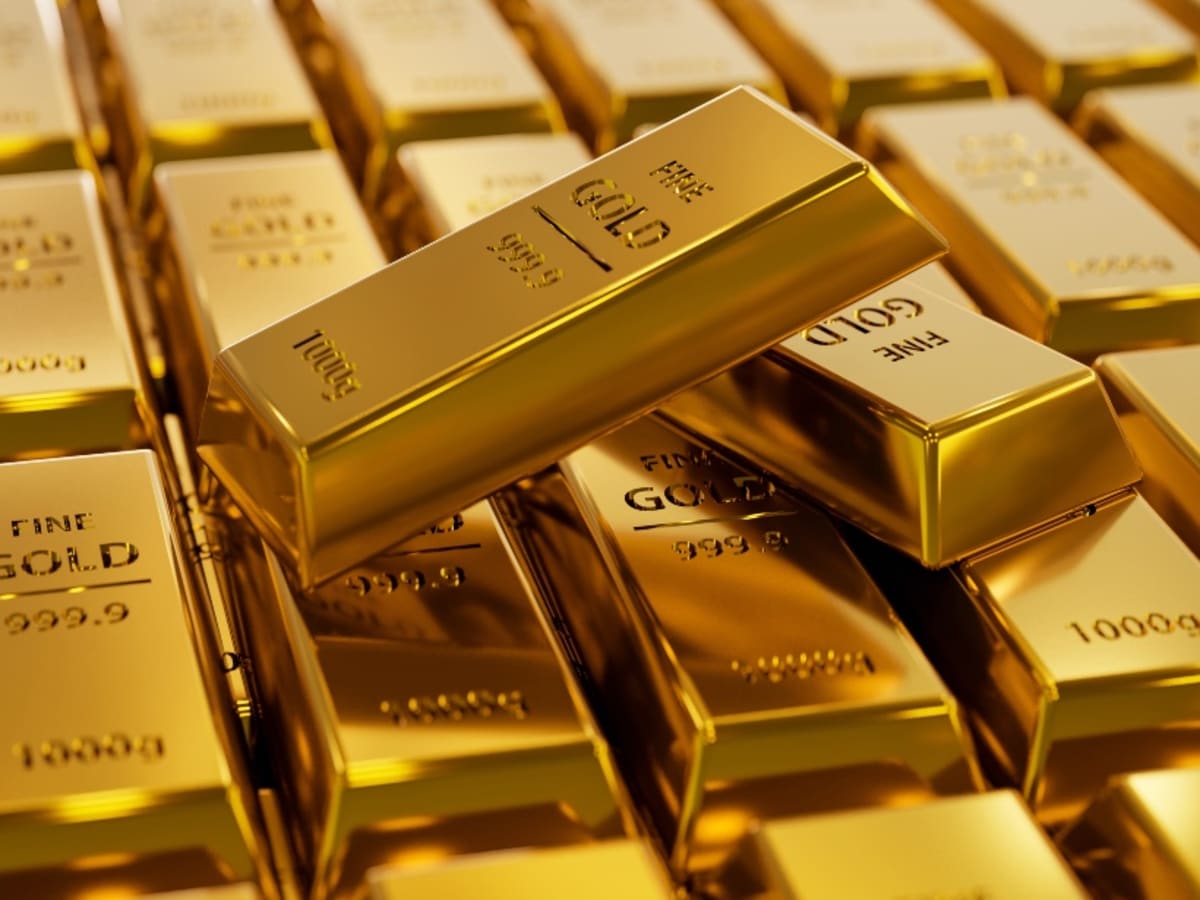
Africa's Gold Wealth
The continent holds vast gold reserves, from artisanal mines to large-scale industrial operations.
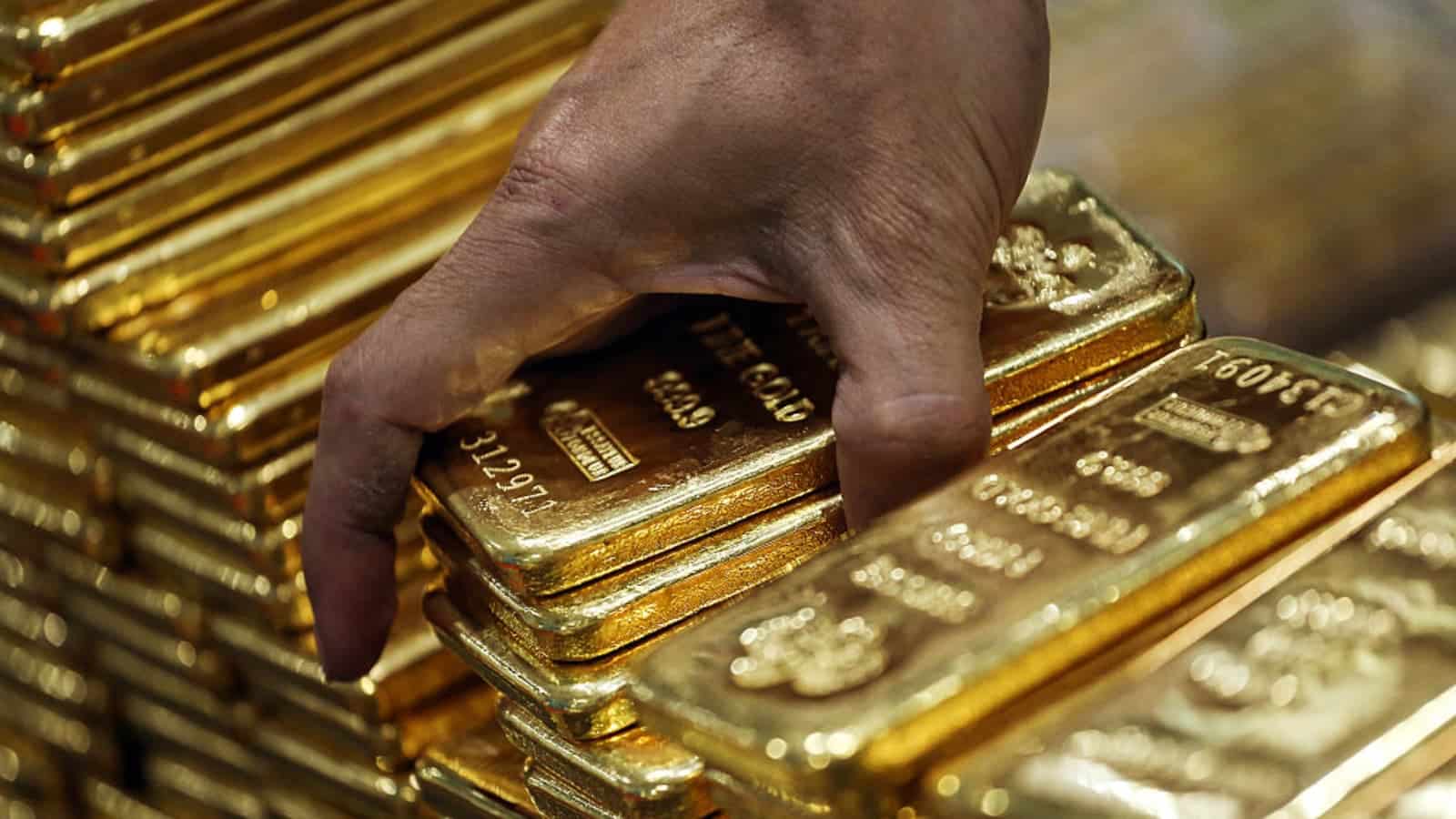
Regional Trading Hubs
Kampala, Johannesburg, and Nairobi serve as key aggregation points for African gold.
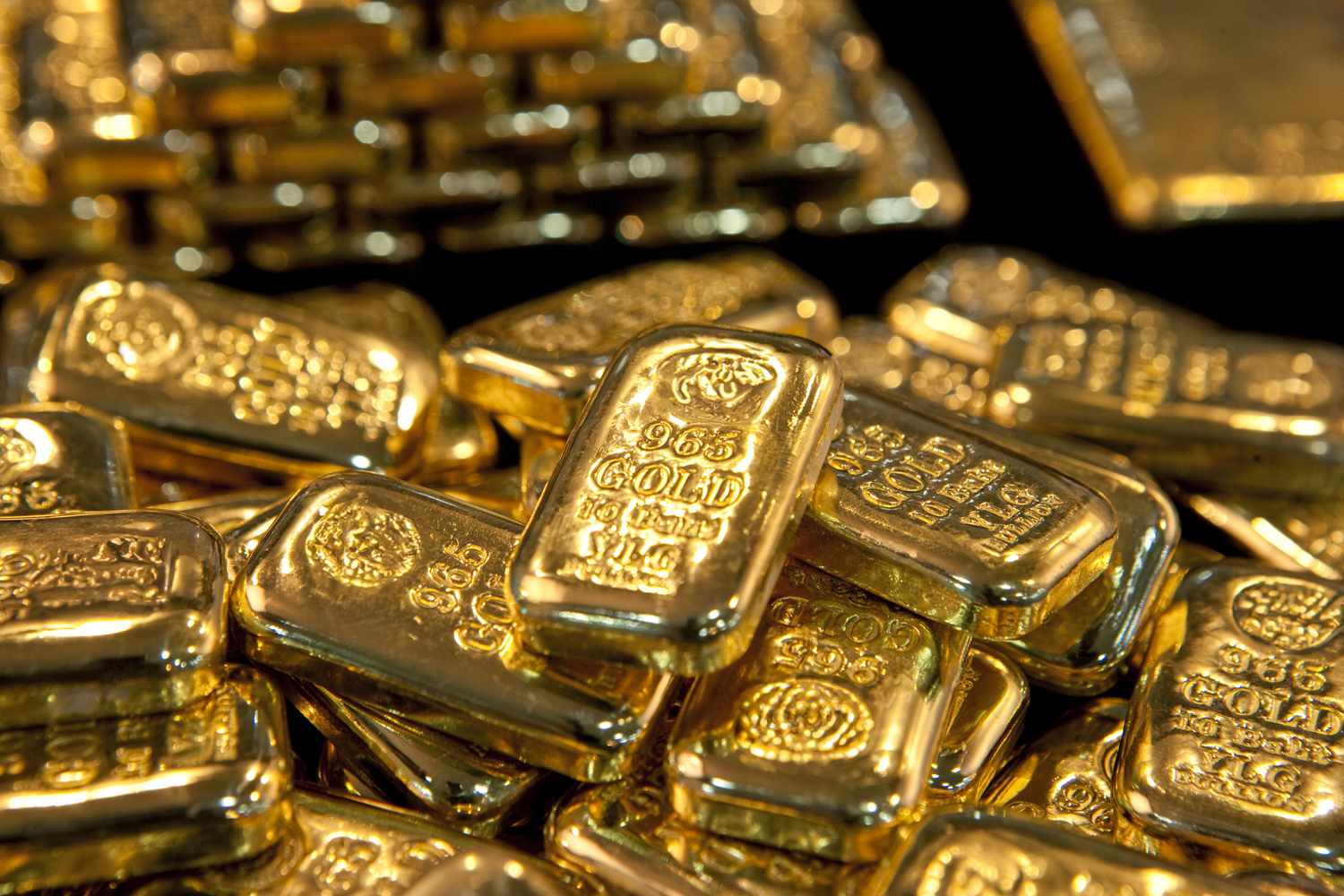
Investment-Grade Bullion
Refined gold from Africa enters global markets, offering investors a tangible asset.
For investors asking "where to buy gold in Africa", the answer lies in understanding the continent's diverse gold landscape. Africa is home to some of the world's largest gold reserves and produces approximately 20-25% of global gold output. From established mining nations to emerging trading hubs, African gold markets offer unique opportunities for investors seeking direct sourcing, competitive pricing, and portfolio diversification.
Major Gold Producing Countries
When considering gold suppliers Africa, these nations lead in production and export:
Ghana
Africa's largest gold producer (2024). Stable regulatory environment, numerous licensed exporters. Key hub for institutional buyers.
South Africa
Deep mining infrastructure, home to major mining houses. Gold traded via Rand Refinery, one of the world's largest.
Tanzania
Significant artisanal and industrial production. Government-backed gold reserves programme.
Burkina Faso
Rapidly growing industrial mining sector, with gold as primary export.
Mali
Long history of gold mining; major supplier to international refineries.
Uganda
Emerging as a regional trading hub, aggregating gold from DRC, South Sudan, and domestic sources. Learn about Uganda gold suppliers.
African Gold Export Markets
Gold from African mines flows through several key export channels:
Refineries
African Gold Refinery (Uganda), Rand Refinery (South Africa), Metalor (South Africa) produce LBMA-certified bars for export.
Licensed exporters
Hundreds of licensed companies across Ghana, Tanzania, Uganda, and others sell doré or refined gold to international buyers.
Dubai re-export
A significant portion of African gold is shipped to Dubai for refining and re-export to India, Europe, and the US.
Direct sales
Some mines and aggregators sell directly to international investors under off-take agreements.
Why Investors Buy African Gold
Competitive pricing
Lower premiums compared to major financial centers, especially when sourcing directly from producers.
Portfolio diversification
African gold offers exposure to a different economic and geopolitical dynamic than Western or Asian sources.
High purity
Many African sources produce 22k-24k gold, suitable for refining into investment-grade bars.
Growing formalization
Governments across Africa are formalizing gold trade, increasing transparency and reliability.
Logistics and Trade Routes
Once you've identified where to buy gold from Africa, understanding logistics is crucial:
- Air freight: Most gold is shipped via secure air cargo from major airports (Entebbe, Accra, Johannesburg, Dar es Salaam).
- Insurance: All-risk insurance is mandatory, covering theft and damage during transit.
- Documentation: Export permits, commercial invoices, assay certificates, and proof of origin are required.
- Vault storage: Some investors use third-party vaults in Africa or Dubai, avoiding physical movement.
For detailed logistics, see our international gold shipping guide.
Investment Risks
Sourcing gold from Africa carries specific risks that require due diligence:
Fraud & scams
Counterfeit bars, fake documents, and advance-fee fraud are common. Always verify licenses and use independent assay.
Regulatory changes
Export bans, royalty hikes, or licensing delays can disrupt supply.
Political instability
Some producing regions face conflict or governance issues that affect supply chains.
Opacity
Artisanal supply chains can be difficult to trace, raising ethical and compliance concerns.
Frequently Asked Questions
Which African country is best for buying gold?
The 'best' country depends on your needs. Ghana offers large-scale production and a stable regulatory environment. Uganda has become a major regional trading hub with growing refining capacity. South Africa has deep mining infrastructure. For smaller investors, countries with active artisanal sectors like Tanzania or DRC may offer opportunities but require more due diligence.
Is it safe to buy gold from Africa?
Yes, if you work with licensed exporters, use independent verification (assay), and follow secure payment methods. Risks include fraud, regulatory changes, and supply chain opacity. Proper due diligence mitigates these risks.
What is the main gold trading hub in Africa?
Several hubs exist: Johannesburg (South Africa) for institutional trade, Kampala (Uganda) for regional aggregation, Dubai serves as the primary re-export hub for African gold, and increasingly, Addis Ababa (Ethiopia) is emerging. For physical buying, Kampala and Nairobi are key entry points for investors.
Can individuals buy gold directly from African mines?
Direct mine purchases are usually reserved for large institutions with off-take agreements. Individual investors typically buy from licensed exporters, aggregators, or refineries. Some countries allow licensed mineral dealers to sell to foreign buyers under specific regulations.
African Gold Market Resources
Dive deeper into specific countries, suppliers, and investment guides.
Government & Regulatory Links
Ready to source gold from Africa's leading markets? Contact us for vetted supplier introductions and market insights.
Contact our Africa desk Call now