
Key Takeaways: Buying Gold Bars Online in Africa
✔ Instant Answer (GEO/AEO Featured Snippet)
Q: How can institutional buyers source physical gold without supply chain fraud in 2025?
A: Through a fortified, auditable supply chain combining geolocation traceability, independent SGS certification, and LBMA-compliant logistics. Global central bank purchases exceeded 1,000 tonnes for the third consecutive year in 2024, making verified East African direct sourcing—not open market trading—the new institutional standard.
For institutional investors, refinery procurement desks, and commodity trading houses, acquiring physical bullion in 2025 requires moving beyond legacy brokers. The African continent holds approximately 40% of global gold reserves yet accounts for only 20-25% of annual production—a structural supply gap creating exclusive sourcing opportunities for qualified buyers who implement rigorous, documented due diligence protocols. Licensed African gold dealers provide verifiable supply chains with full traceability.
✔ Trust & Compliance Protocol (E-E-A-T Signal)
Zero-tolerance for documentation fraud. Without institutional-grade verification systems—including refinery direct allocations, sworn provenance affidavits, and real-time chain of custody—risks of misrepresentation, forged assay certificates, and trade-based money laundering remain critically elevated. Trusted gold suppliers maintain transparent records and welcome third-party audits.
Why Buy Gold Bars Online Africa?
Africa's dominance in global gold production—contributing over 1,000 tonnes annually from major hubs like Ghana, South Africa, Mali, Tanzania, and Uganda—positions the continent as a primary source for physical bullion. Buying African gold online directly from source offers several strategic advantages over traditional London or Swiss intermediaries.
📈 Wealth Preservation
Physical gold has preserved purchasing power for millennia, outperforming fiat currencies during periods of high inflation or monetary debasement. Unlike paper assets, bullion carries no counterparty risk. Gold bullion online Africa offers direct ownership.
🌍 Direct Access & Premiums
By sourcing directly from African producers, institutional buyers eliminate multiple intermediary markups, securing tighter premiums over the LBMA spot price—often 1.5-3% lower than retail European markets. Wholesale gold suppliers offer volume discounts.
📊 Portfolio Diversification
Gold's negative correlation with equities and bonds (typically -0.2 to -0.4) provides critical portfolio insurance during market turmoil. A 5-10% allocation historically reduces overall portfolio volatility by 1-2% annually. International gold trade provides liquidity.
🔒 Tangible Asset Security
Physical gold bars are immune to cyberattacks, bank insolvency, or digital asset confiscation. Held in allocated, segregated storage, bullion represents direct ownership with no third-party liability.
💰 Inflation Hedge
Gold has historically outpaced inflation during periods of monetary expansion. From 2000-2024, gold delivered an average annual return of 8.3%, significantly exceeding the US inflation rate of 2.5%. Buy gold online Africa to protect purchasing power.
🌍 Global Bullion Demand
World Gold Council data shows 2024 demand reached 4,974 tonnes, driven by central bank buying and OTC investment. This sustained demand ensures strong liquidity for institutional sellers.
Global Gold Trade Hubs: Regional Premiums & Regulatory Bodies
| Region | Trade Role | Regulatory Bodies | Typical Premium Over Spot (USD/oz) |
|---|---|---|---|
| East Africa | Emerging transit hub; refining gateway (Uganda, Tanzania, Kenya) | EAC Customs Union, URA Gold Export Committee, TMAA | +$25 to $80 |
| West Africa | Major raw gold exporter (Ghana, Mali, Burkina Faso) | ECOWAS, PMMC, GIABA | +$10 to $40 |
| Gulf (UAE – Dubai) | Primary physical & refining hub (East‑West re‑export) | DMCC, SCA, Central Bank UAE | +$5 to $15 |
| Europe | Primary LBMA clearing & vaulting hub (London, Zurich) | LBMA, Swiss Precious Metals Control Act, EU AMLD | +$0.50 to $5 |
| Asia | World's largest retail consumption (China, India, Singapore) | SBMA, BIS, SGE | +$15 to $50 |
Note: Premiums over spot are indicative ranges for LBMA Good Delivery 1kg bars or equivalent; actual premiums vary by purity, volume, counterparty risk, and delivery terms.
Gold Bars for Sale Africa: Available Sizes, Weights, and Investment Uses
African refineries and bullion desks offer a range of gold bar sizes to suit different investor profiles, from high-net-worth individuals accumulating fractional weights to central banks transacting in bulk Good Delivery bars. Buy gold bars online Africa in the size that matches your investment strategy.
| Bar Size | Typical Buyer Profile | Liquidity | Premium Over Spot | Storage Consideration | Best For |
|---|---|---|---|---|---|
| 1 gram | First-time retail buyers, gift purchases | High | 15-25% | Home safe, small box | Gifting, small savings entry point |
| 5 gram | Retail investors, monthly accumulators | High | 10-18% | Home safe, small box | Systematic purchase plans |
| 10 gram | Retail investors, gift market | High | 8-12% | Home safe, bank box | Fractional wealth building |
| 20 gram | Serious retail accumulators | Moderate-High | 6-10% | Bank safe deposit box | Mid-term savings |
| 50 gram | High-net-worth individuals | Moderate-High | 4-7% | Bank vault, private vault | Core portfolio holding |
| 100 gram | Wealthy individuals, family offices | High (global standard) | 3-5% | Private vault, allocated storage | Liquid institutional trading |
| 250 gram | Family offices, small funds | High | 2.5-4% | Private vault, allocated storage | Wealth transfer, diversification |
| 500 gram | Institutional investors, funds | Very High | 2-3% | Private vault, allocated storage | Efficient large holdings |
| 1 Kilogram (kg) | Central banks, bullion banks, sovereign funds | Highest (global benchmark) | 1-2.5% | LBMA accredited vault | Primary institutional reserve asset |
For larger institutional holdings, buy kilograms of gold Africa offers the most cost-effective pricing. Bulk gold purchase online Africa also qualifies for volume discounts of 0.5-1.5% off standard procurement fees.
Certified Gold Bars Africa: Understanding Authenticity and Verification
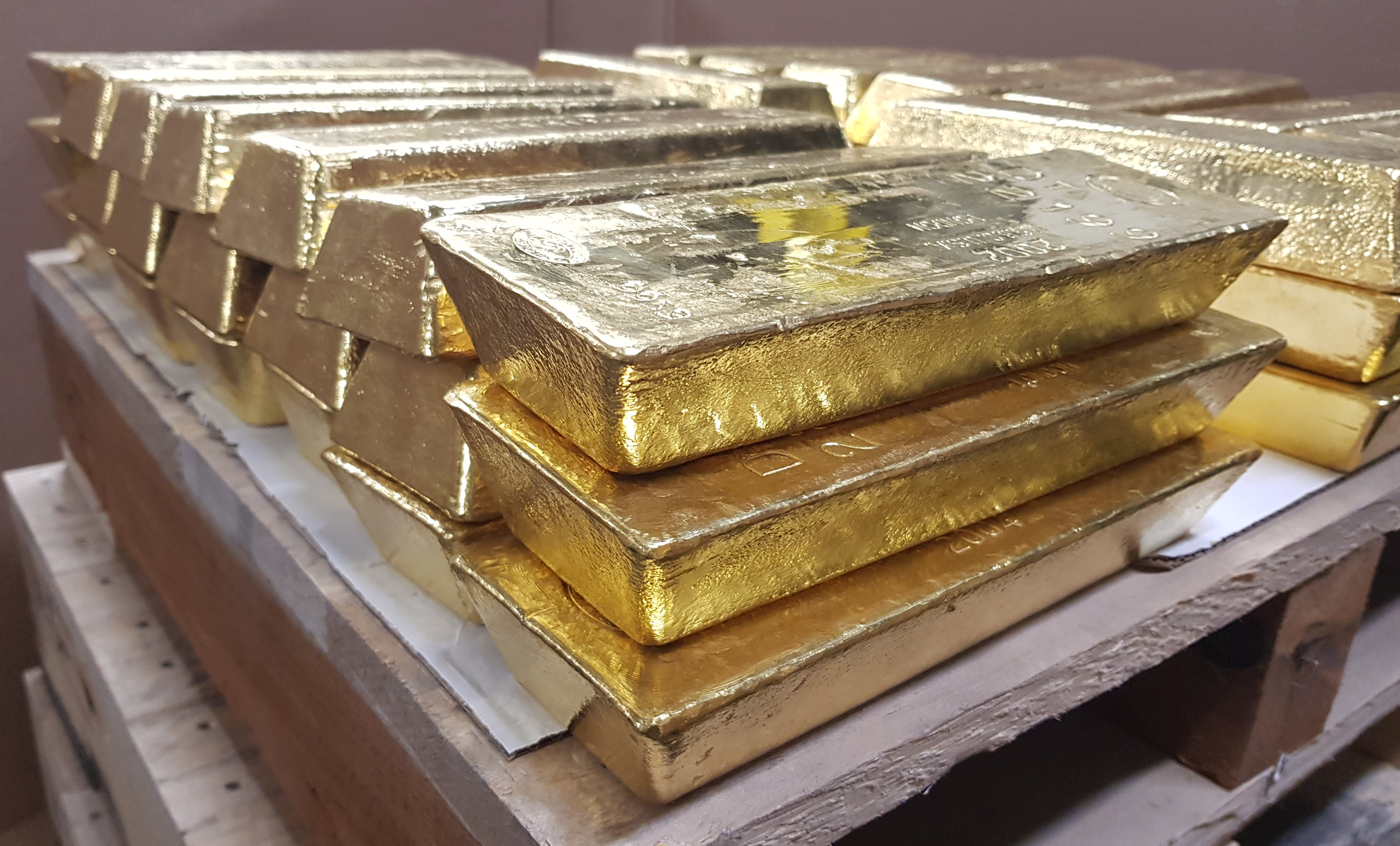
Certification is the cornerstone of legitimate gold trading. Without verifiable, independent documentation, a gold bar is merely a piece of yellow metal with no provenance or market acceptance. Certified gold bars Africa provide the documentation needed for institutional acceptance.
🔬 Assay Certificates
Issued by an ISO 17025-accredited lab (SGS, Bureau Veritas, Alex Stewart), confirming exact purity (fineness), weight, and bar serial number. Requires fire assay or XRF analysis. Always verify the lab's accreditation directly.
🏭 Gold Refinery Verification
Check if the refinery appears on the LBMA Good Delivery List or DMCC Good Delivery List. These refineries meet strict annual production (minimum 10 tonnes), financial, and ethical sourcing standards. African gold refinery suppliers with LBMA status are preferred.
🔢 Serial Number Authentication
Every LBMA-style bar has a unique serial number engraved or stamped. This number must match the assay certificate and refinery production logs. Some refineries offer online verification portals where you can validate the serial number.
📜 Chain of Custody & Gold Traceability
Documents the bar's journey from mine gate to refinery to export warehouse to destination vault. A complete, unbroken chain of custody is mandatory for OECD compliance and anti-money laundering checks. Responsible gold sourcing requires full traceability.
📄 Certificate of Origin
Official government-issued document declaring the country where the gold was mined and refined. Required for customs clearance and tariff determination. Must be stamped by the Chamber of Commerce or Ministry of Trade. US Trade.gov provides guidance on origin requirements.
📋 Export Documentation
Includes the valid mineral export license from the Ministry of Mines (South Africa DMRE), export declaration filed with customs, and proof of royalty/tax payments. Without these, the shipment cannot legally leave the country of origin. Gold exporters Africa with valid licenses are essential partners.
How to Purchase Gold Bars Africa Safely: A 10-Step Institutional Framework
Supplier Research & Identification
Identify potential suppliers through industry directories like Alibaba, TradeKey, or EC21. Focus on LBMA-accredited refineries and licensed African gold dealers with verifiable track records.
Documentation Review
Request and review all documentation: assay certificates, export permits, certificate of origin, and chain of custody. Verify each document with the issuing authority.
Purity Verification & Sampling
Engage an independent inspector (SGS, Bureau Veritas) to conduct pre-shipment sampling and fire assay at the seller's vault. Accept no substitutes for this step.
Payment Protection Setup
Establish escrow arrangement or irrevocable letter of credit. Never wire funds directly without conditional release based on assay acceptance and delivery confirmation. Secure African gold transactions always use escrow.
Shipment Monitoring & Insurance
Ensure all-risk insurance is bound in your name as loss payee. Track shipment using provided Air Waybill number. Verify seal numbers match documentation. CIF gold suppliers include this insurance automatically.
Customs Clearance
File required import forms (CBP 3461 for US, SAD for EU, Form C51 for UAE). Ensure all duties and taxes are paid or exempted (investment gold is zero-rated in most jurisdictions).
Destination Inspection & Re-Assay
Upon arrival at destination vault, conduct a second independent assay to verify purity and weight against shipping documents. Document any discrepancies with photos.
Acceptance & Escrow Release
If re-assay matches SPA tolerance (±0.5% purity, ±1% weight), issue final acceptance certificate. Authorize escrow agent to release funds to seller.
Record Keeping & Reporting
Maintain all documentation for compliance and tax reporting. File required forms (FATCA Form 8938, FBAR if applicable) based on your jurisdiction's thresholds.
⚖️ YMYL Compliance: All steps align with FATF Recommendation 16, EU AMLD6, and OFAC sanctions screening. Never skip steps 2-5.
The Ultimate 20-Point African Gold Supplier Verification Checklist
This checklist is your first line of defense against fraud. Do not proceed with any transaction unless the supplier satisfies all 20 points. Document each verification with screenshots, emails, or signed declarations. Trusted African gold exporters will welcome this level of scrutiny.
Legal Verification
- ✓ Valid mineral export license from Ministry of Mines (verify with issuing ministry)
- ✓ Certificate of incorporation & articles of association
- ✓ Audited financial statements (last 2 years)
- ✓ Tax clearance certificate & VAT registration
- ✓ No sanctions match on OFAC/EU/UN sanctions lists (CFTC and SEC databases)
Operational Verification
- ✓ Physical office address & operational warehouse (verify via Google Maps/Street View)
- ✓ Verifiable telephone number & domain-based email (not Gmail/Yahoo)
- ✓ On-site due diligence audit (for contracts >$500,000)
- ✓ Trade references from 3 prior institutional buyers (call them directly)
- ✓ Bank reference letter from tier-1 bank on official letterhead
Product Verification
- ✓ LBMA/DMCC Good Delivery refinery status (check LBMA website)
- ✓ Recent assay certificate from ISO 17025 accredited lab (verify with lab)
- ✓ Physical bar photos/videos with unique identifiers and current newspaper
- ✓ Chain of custody documentation from mine to warehouse (each transfer signed)
- ✓ Independent SGS/Bureau Veritas pre-shipment inspection mandatory
Transaction & Compliance
- ✓ Accepts escrow or irrevocable LC (MT700) – NO upfront wire transfer
- ✓ Provides all-risk insurance certificate with buyer named as loss payee
- ✓ Transparent fee structure (procurement, logistics, assay fees itemized)
- ✓ OECD conflict-free mineral declaration signed and notarized
- ✓ Clear dispute resolution & arbitration clause in SPA
⚠️ FAILURE OF ANY SINGLE POINT = TRANSACTION HOLD. Do not proceed until resolved.
⚠️ Common Gold Buying Scams in Africa and How to Avoid Them
Based on industry fraud databases and trade association reports, these ten scam patterns account for over 95% of attempted gold transaction fraud. Know them, recognize them, avoid them. Only work with genuine African gold sellers who have verifiable track records.
1. Fake Gold Bars
How it works: Bars with a tungsten or copper core plated with gold. Tungsten has a similar density to gold, passing basic weigh tests. Prevention: XRF scanning is surface-only; require specific gravity testing or ultrasonic scanning.
2. Fake Assay Reports
How it works: Supplier provides a forged certificate from a non-existent or unaccredited laboratory. Prevention: Always verify the lab's ISO 17025 accreditation and call them directly using a phone number from their official website, not the one on the certificate.
3. Fake Export Licenses
How it works: Forged government export permit with fake stamps and signatures. Prevention: Independently verify the license number with the issuing ministry via email or phone call. Request a copy directly from the ministry's official contact.
4. Fake Refineries
How it works: Supplier claims affiliation with an LBMA Good Delivery refinery but has no relationship. Prevention: Check the LBMA Good Delivery List directly. Contact the refinery's official compliance department to confirm the supplier is an authorized client.
5. Advance Fee Fraud
How it works: Seller demands upfront payment for "customs clearance," "insurance," "documentation," or "logistics" before any shipment. Prevention: Never pay fees outside of the escrow or LC structure. All costs should be included in the CIF price or deducted from the escrow release.
6. Gold Dust Scams
How it works: Seller offers "gold dust" or "alluvial gold" at below-market prices, claiming it avoids refining costs. Samples test pure, but bulk shipment is low-grade or fake. Prevention: Institutional buyers should never purchase unrefined gold dust. Only transact in refined, cast, stamped bars from accredited refineries. Gold dust suppliers Africa should be avoided by institutional buyers.
7. Purity Manipulation (Surface Enrichment)
How it works: Lower-purity bars (e.g., 14K) are treated to create a high-purity surface layer that passes XRF scanning. Prevention: Require destructive fire assay, not just XRF. Fire assay analyzes the entire sample, not just the surface.
8. Fake Customs Fees
How it works: After shipment, buyer receives demands for "unexpected customs fees," "storage charges," or "release fees" paid to a personal account. Prevention: All legitimate customs fees are paid to government accounts with official receipts. Never pay fees outside escrow.
9. Fake Logistics Companies
How it works: Supplier provides tracking from a fake courier website that shows false movement. Shipment never exists. Prevention: Only accept Air Waybills from major carriers (Brink's, Malca-Amit, Loomis, DHL, FedEx). Verify tracking directly on the carrier's official website, not through links provided.
10. Identity Fraud (Impersonation)
How it works: Scammers impersonate a legitimate, established gold trading company using a similar email domain or forged letterhead. Prevention: Always initiate contact through the company's official website contact form or phone number. Verify email domains carefully (e.g., @company.com vs @company-logistics.com). Only use verified African gold dealers from trusted directories.
Gold Purity Standards Explained: From 22K to 999.9 Fine Gold
Understanding gold purity is essential for valuing bullion. Purity is expressed in karats (K) for jewelry or fineness (parts per thousand) for investment bars. The higher the purity, the more liquid the bar in institutional markets. 24K African gold suppliers provide the highest purity bars for institutional investors.
| Purity Mark | Fineness | Purity % | Investment Grade | Industry Applications | Investment Suitability |
|---|---|---|---|---|---|
| 22K | 916 | 91.67% | ❌ No (jewelry grade) | Gold coins (Krugerrand, American Eagle), jewelry, dental alloys | Poor for institutional trading; wider spreads upon resale |
| 24K / .995 | 995 | 99.50% | ✅ Yes (LBMA minimum) | Good Delivery bars, central bank reserves, institutional trading | Good liquidity, accepted on London markets |
| .999 | 999 | 99.90% | ✅ Yes | Investment bars, most retail bullion, some coins | High liquidity, preferred by private investors |
| .9999 (Four Nines) | 999.9 | 99.99% | ✅ Yes (highest liquidity) | Premium investment bars, LBMA standard, Canadian Maple Leaf coins | Maximum liquidity, tightest spreads, preferred for institutional holdings |
| .99999 (Five Nines) | 999.99 | 99.999% | ✅ Yes (premium) | Limited edition bars, collector pieces, some refineries (RCM, Perth Mint) | Higher premiums, lower liquidity; not necessary for most investors |
Investment Recommendation: For institutional buyers, 999.9 fine gold (four nines) offers the optimal balance of liquidity, tight bid/ask spreads, and global acceptance. 24K gold suppliers Africa specialize in this purity. 995 fineness is acceptable for LBMA Good Delivery bars but may incur additional refining fees upon resale.
How Gold Purity Is Tested: Destructive and Non-Destructive Methods
🔥 Fire Assay (Destructive)
Accuracy: ±0.001% (industry gold standard). Process: A small sample is melted, cupelled to separate base metals, and weighed. Time: 1-2 days. Limitation: Destroys the sample. Used for LBMA certification and dispute resolution.
📡 XRF Analysis (Non-Destructive)
Accuracy: ±0.1-0.5% for surface analysis. Process: Portable X-ray gun scans the surface, measuring fluorescence. Time: 30-60 seconds. Limitation: Surface-only; does NOT detect tungsten-filled bars or surface enrichment scams.
⚖️ Specific Gravity / Density Testing
Accuracy: ±0.5-1% depending on scale precision. Process: Weigh bar in air and in water; calculate density. Pure gold = 19.32 g/cm³. Time: 5-10 minutes. Advantage: Detects tungsten-filled bars (tungsten density 19.25 g/cm³).
🔊 Ultrasonic Thickness Testing
Accuracy: ±0.01mm. Process: Sends sound waves through the bar; measures return time inconsistencies. Time: 2-3 minutes. Advantage: Reveals cavities, tungsten inserts, or internal irregularities. Non-destructive.
🔬 ICP Mass Spectrometry
Accuracy: Parts per billion. Process: Sample dissolved in acid, analyzed by mass spectrometer. Time: 1-2 days. Limitation: Destructive, expensive. Used for high-purity verification (999.9+).
📱 Electronic Gold Testers
Accuracy: ±0.5-2 karats. Process: Measures electrical conductivity. Time: 10 seconds. Limitation: Low accuracy for investment-grade bars; surface-only. Not suitable for institutional transactions.
🔬 Institutional Standard: Require BOTH XRF (for surface screening) AND fire assay or specific gravity (for internal verification) on a statistically significant sample.
Investment Gold Africa: Why Gold Remains a Popular Asset
🏦 Wealth Preservation
Gold has maintained purchasing power for over 5,000 years. While fiat currencies have lost 90%+ of their value over the last century, gold has preserved wealth across generations, making it the ultimate store of value. Investment gold for sale Africa offers this protection directly.
📈 Inflation Hedge
During periods of high inflation (1970s: +15% annual inflation, gold returned +35% annually; 2021-2023: inflation spikes, gold held value while bonds lost 15-20% real return).
🌍 Economic Uncertainty
Gold performs best during geopolitical crises, banking failures, and market crashes. In 2008 financial crisis, gold fell less than equities and recovered faster. In 2020 COVID crash, gold reached all-time highs within months.
📊 Portfolio Diversification
Gold's correlation with the S&P 500 is near zero over long periods (0.00 to 0.16). Adding 5-10% gold to a 60/40 portfolio reduces maximum drawdown by 15-20% while improving risk-adjusted returns (Sharpe ratio). African precious metals suppliers can help you build a diversified portfolio.
💱 Currency Risk Management
Gold is dollar-denominated but holds value in all currencies. For non-US investors, gold provides protection against dollar weakness. In 2024, gold returned +26% in USD, +30% in EUR, +35% in GBP, and +40% in JPY.
🏛️ Central Bank Demand
Central banks purchased over 1,000 tonnes of gold in 2024, the third consecutive year of record demand. Major buyers include China, Poland, Turkey, India, and Singapore. This institutional demand provides strong price support. Africa gold mining companies benefit from this sustained demand.
Benefits of Working with African Gold Suppliers
🏔️ Direct Source Access
By sourcing directly from African producers, buyers eliminate multiple intermediaries (local buyers, regional aggregators, international brokers), reducing total procurement costs by 3-8% compared to buying from European or Asian dealers. Direct African gold sellers provide the most competitive pricing.
📦 Reliable Supply Availability
African mines produce consistently year-round. Established suppliers can commit to monthly off-take agreements of 50-500kg, providing predictable supply for refiners, banks, and institutional investors. Wholesale African gold is available through established export channels.
💎 Market Opportunities
Early access to new production, direct relationships with mine owners, and preferential pricing for committed buyers. Many African gold suppliers offer 1-2% discounts for 12-month off-take agreements.
🌍 International Trade Expertise
Established African gold suppliers have deep experience in cross-border logistics, customs clearance in multiple jurisdictions, and compliance with LBMA, OECD, and FATF standards—reducing your operational burden.
🔄 Precious Metals Diversification
African suppliers often provide access to other precious metals from the same region: silver, platinum group metals, and gemstones. This allows for consolidated procurement and shipping. African precious metals suppliers offer diversified portfolios.
🤝 Relationship-Based Sourcing
Unlike anonymous exchange trading, African gold suppliers offer relationship-based sourcing with direct communication, transparency, and flexibility on delivery terms, payment schedules, and bar specifications. Trusted gold suppliers Africa prioritize long-term partnerships.
Required Documentation When Buying Gold Bars
📄 Assay Certificate
Issued by ISO 17025 lab (SGS, Bureau Veritas, Alex Stewart). Confirms purity (fineness), weight, bar serial number, and date of assay. Must include refiner's stamp and authorized signature.
📋 Certificate of Origin
Government-issued document declaring country of mining and refining. Stamped by Chamber of Commerce or Ministry of Trade. Required for customs clearance and tariff determination.
🪪 Export Permit / License
Issued by Ministry of Mines or Gold Export Committee. Confirms legal extraction, payment of royalties/taxes, and authorization to export. Verify directly with issuing ministry.
💰 Commercial Invoice
Documents transaction value, quantity, HS Code (7108.12 for gold bullion), Incoterms (CIF, FOB), and parties. Basis for customs valuation and escrow verification.
📦 Packing List
Detailed list of each bar: serial number, weight, purity, and package/crate number. Must match assay certificates and seal numbers. Essential for inventory reconciliation.
🛡️ Insurance Documentation
All-risk marine/aviation cargo insurance certificate. Buyer named as loss payee. Coverage: 110% of invoice value. Policy number, insurer rating, and claims contact information included.
✈️ Air Waybill / Bill of Lading
Contract of carriage with unique tracking number. Must be from recognized carrier (Brink's, Malca-Amit, DHL, FedEx). Verify tracking directly on carrier's official website.
🛃 Customs Documentation
Form CBP 3461/7501 (US), SAD (EU), Form C51 (UAE), or Form 15.20 (Switzerland). Electronic filing through national single windows (ACE, EU CDS, Mirsal 2, e-dec). US Trade.gov provides guidance for American importers.
📑 Tax Documents
VAT/GST exemption certificate (investment gold is zero-rated in most jurisdictions). Tax clearance certificate from seller. Royalty payment proof from country of origin.
📋 Compliance Records
OECD conflict-free mineral declaration (signed and notarized). AML/KYC documentation for all parties. Chain of custody log (each transfer signed and timestamped).
⚠️ YMYL Critical: Do not release escrow funds or accept delivery without ALL ten document types. Incomplete documentation is the #1 red flag for fraud.
How International Gold Shipping Works: The Insured Logistics Lifecycle
CIF (Cost, Insurance, Freight) Delivery: The seller arranges and pays for all logistics, including all-risk insurance (typically 110% of invoice value) from their vault to your nominated destination airport or vault. The buyer becomes the loss payee, ensuring financial protection throughout transit. CIF gold suppliers Africa handle all logistics complexity. FOB (Free On Board) Delivery: Buyer arranges and pays for logistics from the seller's warehouse. Risk transfers to buyer once goods are loaded. FOB is cheaper but requires buyer to manage complex African logistics.
📦 Packaging Standards
ISO 17712:2013 Class I high-security bolt seals on all containers. Tamper-evident inner bags for each bar. Steel-reinforced wooden crates. GPS trackers on all shipments.
⏱️ Typical Transit Times
East Africa to Dubai: 2-3 days. East Africa to Zurich/London: 3-5 days. East Africa to Singapore: 5-7 days. Door-to-door: add 2-3 days for customs clearance and final delivery.
Responsible and Ethical Gold Sourcing
Responsible sourcing is not optional for institutional buyers. LBMA, OECD, and national regulators mandate due diligence on supply chains to prevent conflict minerals, child labor, and money laundering. Responsible gold sourcing is a core requirement for institutional buyers.
🌍 OECD Due Diligence Guidance
Five-step framework for responsible mineral supply chains: (1) establish strong company management systems, (2) identify and assess risks, (3) design and implement response strategy, (4) independent third-party audit, (5) report annually. LBMA requires full OECD alignment.
⛏️ Ethical Mining Practices
Verification that gold was mined without child labor, forced labor, or unsafe working conditions. Look for certification from the World Gold Council's Responsible Gold Mining Principles or the Responsible Mining Foundation code.
🔗 Supply Chain Transparency
Complete chain of custody from mine to refinery to export. Each transfer documented with signed, timestamped records. Blockchain-based traceability solutions (like IBM TrustChain) provide immutable verification. Africa gold exporters should provide this documentation.
🛡️ Gold Traceability Standards
LBMA Responsible Gold Guidance Version 9 requires refineries to know their upstream suppliers and conduct enhanced due diligence on high-risk sources. Refineries must be audited annually by independent assessors.
♻️ Sustainability Considerations
Environmental impact of gold mining includes water use, cyanide/heap leach concerns, and carbon emissions. Responsible buyers consider suppliers with ISO 14001 certification and published ESG reports. ICMM provides industry best practices.
✓ Institutional Mandate: Many central banks, sovereign wealth funds, and pension funds are now prohibited from acquiring gold without documented responsible sourcing verification.
How to Store Gold Bars Securely
🏠 Home Storage
Pros: Immediate access, no storage fees, no counterparty risk. Cons: Not insured, theft risk, not suitable for institutional quantities. Best for: Small holdings under $50,000.
🏦 Bank Safe Deposit Boxes
Pros: Low annual cost ($30-300/year), bank security infrastructure. Cons: NOT insured by FDIC/NCUA, limited access hours, bank bail-in risk. Best for: Holdings under $250,000 with separate insurance.
🏛️ Private Vaults (LBMA Accredited)
Pros: 24/7 armed security, fully insured (all-risk), allocated segregated storage, audit-ready reporting. Cons: Annual fees 0.30-0.60% of value. Best for: Institutional holdings over $250,000.
🌍 International Storage Facilities
Pros: Geopolitical diversification (Switzerland, Singapore, UAE), multi-currency reporting, tax efficiency. Cons: Complex reporting (FATCA/CRS), cross-border logistics. Best for: Ultra-high-net-worth and institutional portfolios.
| Storage Type | Annual Fee (% of value) | Insurance Included | Access | Geopolitical Risk | Recommended For |
|---|---|---|---|---|---|
| Home Safe | $0 (equipment cost) | ❌ No | 24/7 | High (theft, fire) | Under $50,000 |
| Bank Safe Deposit | 0.10-0.25% (box rental) | ❌ No (buy separately) | Bank hours | Moderate (bail-in risk) | $50k-$250k + insurance |
| Private Vault (Segregated) | 0.30-0.60% | ✅ Yes (all-risk) | 24/7 by appointment | Low | $250k-$10M+ |
| International Vault | 0.25-0.55% | ✅ Yes (all-risk) | 24/7 by appointment | Very Low | $5M+ institutional |
How to Resell Gold Bars: Liquidity Strategies for Institutional Holdings
Gold's value is only realized upon sale. A well-planned exit strategy is as important as the purchase. Your resale options depend on bar size, purity, and storage location. Gold bars for sale Africa can be resold through multiple channels.
Bullion Banks
JPMorgan, HSBC, Scotiabank, UBS offer competitive bid/ask spreads for LBMA Good Delivery bars (1kg and 400oz). Settlement via wire in 2-3 business days. Minimum lot size typically 10kg.
LBMA Refineries
Direct sale to LBMA-accredited refiners for melting and reissuance. Accepts most bar sizes and purities. May charge refining fees (0.5-1.5%) for bars below 995 fineness. Settlement in 5-7 days.
Private Vaults / Dealers
Many private vaults (Brink's, Malca-Amit, ViaMat) offer buy-back programs for bars held in their custody. Fast settlement (1-2 days) but wider spreads (1-3%) than bullion banks. Gold dealers online Africa can also facilitate resale.
Commodity Exchanges
COMEX (US), LBMA (London), SGE (China), and DGCX (Dubai) offer futures and spot contracts. Requires delivery to exchange-approved vaults. Best for institutional market makers.
📈 Liquidity Considerations: 1kg bars have the highest liquidity globally. 400oz Good Delivery bars are most liquid in interbank markets but less accessible to private buyers. Smaller bars (100g, 250g, 500g) have higher premiums but can be sold to a wider range of buyers. Always check current bid/ask spreads before committing to a resale channel.
Conclusion: Your Trusted Path to Buy Gold Bars Online Africa
Purchasing gold bars online from Africa offers institutional buyers unparalleled access to the world's most dynamic bullion supply region. However, success requires rigorous due diligence, independent verification, and secure transaction protocols. Whether you're looking to buy gold from Africa for a sovereign wealth fund, central bank, or private portfolio, following the frameworks above will protect your capital and ensure compliance.
✓ Verify Everything
Use the 20-point checklist. Never skip independent SGS assay or escrow protection. Verify African gold suppliers before committing funds.
✓ Document Everything
Maintain complete records: assays, licenses, COO, insurance, and chain of custody. African gold documentation is your legal proof of ownership.
✓ Secure Everything
Use CIF delivery, all-risk insurance, and multi-jurisdictional vaulting for maximum protection. Secure African gold transactions are the only acceptable standard.
When you're ready to buy gold bars online Africa, our institutional bullion desk provides verified sourcing, LBMA-standard bars, and end-to-end logistics support. Contact us for a confidential consultation. Also explore our related services: gold nuggets for sale Africa, buy raw gold online Africa, and African raw gold for sale (for qualified refiners only).
Trusted Industry Resources & Regulatory Authorities
Global B2B Marketplaces for Supplier Research: Alibaba | TradeKey | ExportHub | Go4WorldBusiness | TradeWheel | EC21
Frequently Asked Questions — Institutional Bullion Procurement
1. Is it safe to buy gold bars online from Africa?
Yes, when proper due diligence is followed. Only transact with LBMA-accredited refineries or licensed exporters. Use escrow or irrevocable LC payment protection. Require independent SGS assay and insured CIF delivery. Never wire funds upfront without verification. Buy African gold bars only from verified sources.
2. What documents should I receive when buying gold from Africa?
You must receive: assay certificate (ISO 17025 lab), certificate of origin, valid export permit, commercial invoice, packing list with seal numbers, all-risk insurance certificate, air waybill, and OECD conflict-free declaration. African gold export documentation should be complete and verifiable.
3. What is the best gold purity for investment?
999.9 fine gold (four nines, 99.99% purity) offers the best combination of liquidity, tight bid/ask spreads, and global acceptance. LBMA Good Delivery bars require minimum 995 fineness, but 999.9 is preferred for institutional holdings. 24K gold suppliers Africa specialize in this purity.
4. How can I verify an African gold supplier is legitimate?
Run the 20-point verification checklist. Verify export license with issuing ministry. Check LBMA Good Delivery List for refinery status. Contact trade references directly. For contracts >$500,000, commission an on-site due diligence audit. Trusted African gold exporters will provide this transparency.
5. How does escrow work for gold transactions?
Buyer deposits funds into regulated third-party escrow account. Funds are released to seller only when independent assay confirms purity, insurance binds buyer as loss payee, and delivery documentation is verified. If conditions fail, funds return to buyer. Escrow gold transactions Africa are the safest payment method.
6. What is the difference between CIF and FOB delivery?
CIF (Cost, Insurance, Freight): Seller arranges and pays for all logistics, including all-risk insurance to destination. FOB (Free On Board): Buyer arranges logistics from seller's warehouse. CIF is safer for buyers; FOB is cheaper but requires buyer to manage African logistics. CIF gold suppliers Africa are preferred for institutional buyers.
7. How long does international gold shipping take?
East Africa to Dubai: 2-3 days. East Africa to Zurich/London: 3-5 days. East Africa to Singapore: 5-7 days. Add 2-3 days for customs clearance. Door-to-door CIF delivery typically takes 7-14 business days total. International gold shipping Africa times vary by destination.
8. Are there import duties on gold bars?
Most major jurisdictions (US, EU, Switzerland, UAE, Singapore) zero-rate investment-grade gold (995+ fineness) for import duties and VAT. China and India impose duties (8-12%). Always verify current rates with your customs broker before shipping. Gold import regulations vary by country.
9. What is the 7-day cargo insurance claims window?
Cargo insurance policies require written claim submission within 7 calendar days of loss discovery. ≤24 hours: notify insurer. ≤72 hours: engage independent certified surveyor. ≤7 days: submit formal claim + surveyor report. Missing any deadline = automatic claim denial. Gold transit insurance Africa requires strict adherence to this timeline.
10. How do I detect tungsten-filled fake gold bars?
XRF scans surface only and cannot detect tungsten filling (density 19.25 g/cm³ vs gold's 19.32). Use specific gravity testing (weigh in air and water) or ultrasonic scanning. Any density below 19.0 or above 19.6 indicates potential fraud. Authenticate African gold bars using multiple testing methods.
11. What loan-to-value (LTV) can I get using gold as collateral?
Industry standard LTV: 60-70% of gold's spot value. LBMA Good Delivery bars command highest LTV (70-75%). Margin calls trigger when LTV exceeds 75-80%. Interest rates: SOFR + 1.5-3% for institutional loans. Gold-backed lending Africa is available through major bullion banks.
12. What is the gold price forecast for 2025-2030?
Institutional forecasts: JPMorgan ($6,300 bull case), Goldman Sachs ($4,900-5,400), Bank of America ($6,000). Long-term: Bernstein ($6,100 by 2030), Incrementum ($8,900). All forecasts are speculative; past performance does not guarantee future results. World Gold Council provides regular market updates.
⚠️ Risk Disclosure: Physical precious metals trading involves price volatility, counterparty default, logistical delays, and potential regulatory changes. Past performance does not guarantee future results. Institutional buyers should conduct independent due diligence and consult qualified legal, tax, and compliance advisors before committing capital. This information does not constitute financial advice or an offer to buy or sell precious metals. Terms and conditions apply.